

BUYING PROPERTY IN MEXICO
Property Due Diligence in Mexico: What Buyers Should Check Before Closing
When buying real estate in Mexico, finding the right property is only part of the process. Before closing, the property, seller and supporting documentation should be carefully reviewed to confirm that the transaction can proceed properly.
Property due diligence can include verifying ownership, reviewing the registered title, identifying liens or other claims, checking property taxes and utilities, confirming construction and property information, and investigating issues that could affect your ownership or future use of the property.
For foreign buyers purchasing in Baja California Sur, due diligence also works alongside the Notario Público, escrow process and, when required, the fideicomiso.
What is Property Due Diligence in Mexico?
Property due diligence in Mexico is the process of investigating the legal, financial, physical and administrative condition of a property before completing the purchase.
Depending on the property, this can include confirming the registered owner, reviewing the escritura or fideicomiso, checking the Public Registry, identifying liens or encumbrances, reviewing property-tax and utility accounts, examining condominium documents, confirming construction information and investigating other issues that could affect ownership.
The purpose is simple:
Make sure that the property you think you are buying is actually the property you can legally and practically acquire.
In simple terms: think of due diligence as checking the property's paperwork and history before you hand over the rest of your money.
IMPORTANT DISTINCTION
Is Due Diligence the Same as a Property Inspection?
No. A property inspection and property due diligence examine two different types of risk.
A professional property inspection primarily evaluates the physical condition of the home - for example, electrical systems, plumbing, air conditioning, roofing, waterproofing, structural observations and equipment.
Due diligence looks more broadly at whether there are legal, financial or administrative issues connected with the property or transaction.
PROPERTY INSPECTION
Roof and waterproofing
Electrical systems
Plumbing
HVAC / mini-splits
Pool and equipment
Visible construction issues
Appliances and systems
Physical condition
PROPERTY DUE DILIGENCE
Ownership and title
Liens and encumberances
Property taxes
Registered property information
Seller's authority to sell
Condominium documents
Permits and construction records
Legal/property history
A careful buyer should consider both. A home can be physically beautiful and still have documentation that needs to be resolved before closing.
Learn about property inspections in Mexico
BUYER PROTECTION
What Should Be Checked During Property Due Diligence in Mexico?
The exact investigation depends on the property and transaction, but a typical resale purchase may involve reviewing several areas.
1. Confirm Who Legally Owns the Property
The seller's identity should correspond with the ownership documentation for the property, and it should be confirmed that the person or entity selling the property has the legal authority to do so.
Depending on the property, ownership may be documented through an escritura pública, an existing fideicomiso, or another legally recognized title structure.
In plain English: the person selling you the property needs to have the legal right to sell it.
2. Review the Escritura or Existing Fideicomiso
The existing title documents should be compared with the property being purchased.
Important information can include:
registered owner
property description
surface area
measurements and boundaries
registration information
existing trust information
ownership history
For a foreign buyer purchasing residential property within Mexico's restricted zone, ownership is commonly structured through a fideicomiso.
3. Check for Liens, Mortgages or Other Encumbrances
The property's registry information should be reviewed for interests that could affect the transaction
These could potentially include:
mortgages
liens
attachments or embargoes
restrictions
certain easments
other registered claims
A Certificado de Libertad o Existencia de Gravamen is one of the important documents used to determine whether encumbrances exist against a property.
In plain English: The goal is to make sure you aren't buying someone else's debt or legal problem along with the house.
OTHER ACCOUNTS TO CHECK
Are Property Taxes and Utility Accounts Checked Before Closing?
They should be reviewed as part of the transaction.
For a typical purchase, documentation may be requested relating to accounts such as:
predial (municipal property tax)
water
electricity
condominium or HOA fees, where applicable
other property-related assessments
The objective is to identify outstanding balances and determine what must be resolved before or as part of closing.
In simple terms: You want to know what is owed on the property before it becomes your property.

Do The Property Measurements and Boundaries Match the Documents?
As part of due diligence the properties registered measurements, boundaries and cadastral information should be reviewed and compared with the property being purchased.
In La Paz, the municipal Catastro office provides services including certificates of measurements and boundaries, topographic-plan registration, cadastral history certificates, cadastral appraisals and cadastral-key updates.
Important information can include:
total lot area
frontage and depth
legal boundaries or clave catastral
location shown in the title documents
existing survey or topographic plan
registered construction area, when applicable
Why does this matter?
A property can look perfectly straightforward on the ground while the paperwork tells a slightly different story.
a perimeter wall may not follow the legal boundary exactly
a neighboring property may be using part of the land
a driveway or access may cross another parcel
the escritura may show a different lot area from the current cadastral records
an addition may have increased the home's physical construction area without the records being updated.
In simple terms: You want to make sure the land you are standing on matches the land in the paperwork.
Should the Construction on the Property Match the Official Records?
Yes. Due diligence should also consider whether the buildings and improvements on the property are reasonably consistent with the available plans, permits and property records. This can become especially important when a home has been expanded or modified after its original construction.
Examples include:
additional bedrooms
casitas
enclosed patios
rooftop rooms
pools
garages
terraces
guest houses
major structural additions
NOM-247 requires providers covered by the regulation to disclose information including land area, constructed area, structural type, installations, common areas, services and the property's general physical condition. It also addresses construction permits and related documentation.
NOM-247 is a Mexican consumer-protection standard regulating the marketing and sale of residential real estate, including required information, contracts, and warranties.
What if the House Is Larger Than the Construction Area Shown in the Documents?
This is not necessarily unusual, particularly with older homes that have been modified over time.
However, the discrepancy should be identified before closing so the buyer and the professionals involved in the transaction can determine whether any updates, regularization, appraisal adjustments or additional documentation are needed.
The important point is not to assume that:
"It has been there for years, so everything must already be registered."
In simple terms: If the home has grown over the years, make sure the paperwork has kept up with it.
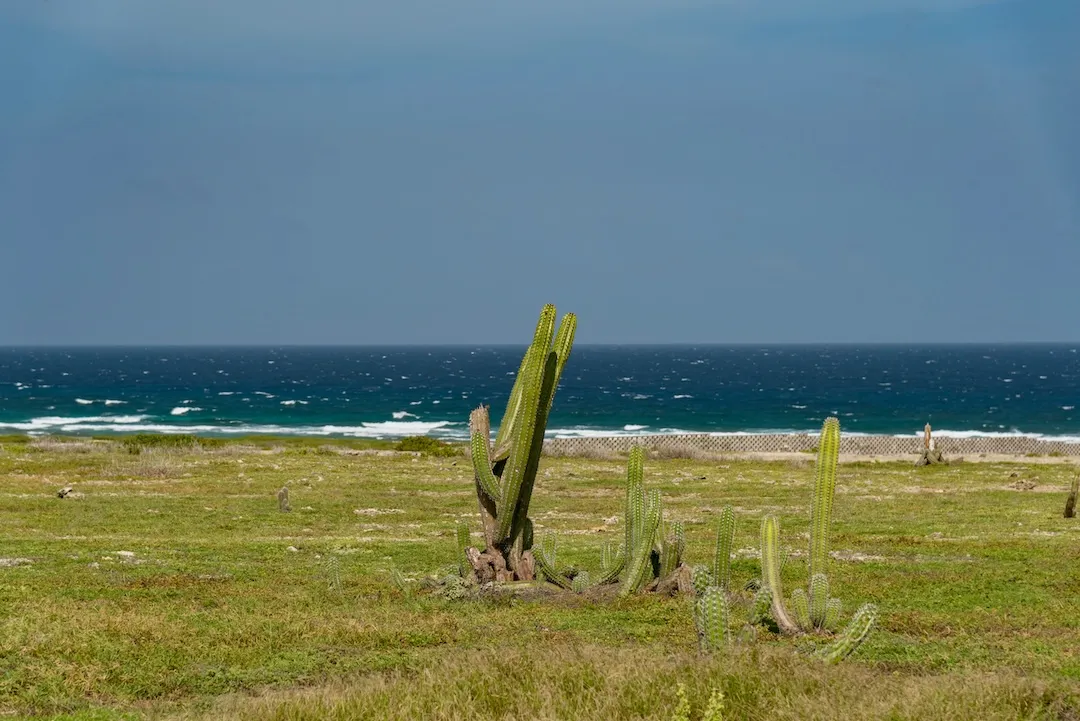
What Should Buyers Know About Ejido Land in Mexico?
Not every piece of land in Mexico is held under ordinary private-property title. Some land is subject to Mexico's ejido or communal agrarian system, which has a different legal framework from privately titled real estate.
This distinction is important because buying an interest associated with ejido land is not necessarily the same transaction as purchasing privately titled property that can be transferred through an escritura or fideicomiso.
For residential land transactions covered by NOM-247, the regulation specifically requires disclosure that land being marketed is not subject to an ejidal or communal regime when represented as property that can be immediately deeded.
Does That Mean Foreign Buyers Should Never Consider Ejido Land?
Not necessarily - but the legal status must be clearly understood.
Some former ejido land may have gone through the legal procedures required to become privately titled property.
The key question is therefore not simply:
“Was this ever ejido land?”
It is:
“What is the property's legal status today, and can valid private title be transferred to the buyer?”

What Should Be Verified?
Depending on the property, appropriate professionals may need to establish:
whether the land remains subject to the agrarian regime
whether domino pleno or another required conversion process has been completed
whether a privately titled parcel now exists
whether the title is registered appropriately
whether the seller actually owns the titled parcel being offered
whether a foreign buyer can acquire the property through the intended ownership structure
In simple terms: The issue isn't whether the land was once ejido - the issue is whether you are receiving valid, transferable private title today.
What Additional Due Diligence Should Be Done When Buying a Condo in Mexico?
Buying a condominium involves reviewing both the individual unit and the condominium regime governing the overall development.
The escritura establishing the condominium regime is particularly important because it formally establishes the condominium structure and the relationship between privately owned units and common property.
Documents Worth Reviewing May Include:
condominium regime documents
condominium bylaws or regulations
current HOA or maintenance fees
special assessments
parking-space rights
storage rights
percentage of undivided common ownership, or indiviso
rules affecting rentals
pet restrictions
architectural restrictions
use of common areas
known condominium meeting minutes, when available
known major repairs or planned projects
Why Review the HOA Financial Situation?
Because purchasing the unit can also mean becoming part of the financial obligations of the condominium community.
A beautifully maintained condo may still be part of an association facing:
major deferred maintenance
insufficient reserves
unpaid owner fees
upcoming roof or elevator work
pool repairs
exterior remediation
other extraordinary assessments
Due diligence should examine the building, not just the condo.
In simple terms: You're buying the unit - but you're also joining the condominium community that takes care of everything around it.
Is Due Diligence Different When Buying New Construction in Mexico?
Yes.
When purchasing a home or condominium that is under construction—or has not yet been delivered—the buyer is evaluating not only a property but also the developer's ability and legal obligation to deliver what has been promised.
Due diligence can therefore include reviewing
ownership of the underlying land
identity of the developer or selling entity
authority of the person signing for the company
construction permits and licenses
land-use authorization
condominium-regime documentation
architectural plans
specifications and finishes
utilities and infrastructure
delivery dates
payment schedule
cancellation provisions
penalties for delay
warranties
how title will ultimately be transferred
Buying Pre-Construction Requires a Different Mindset
With a completed resale home, the buyer can generally inspect what already exists. With pre-construction, a significant amount of the purchase is based on:
plans
specifications
contractual promises
timelines
renderings
developer representations
That makes the purchase contract especially important.
A rendering shows what the project is supposed to become. Your contract establishes what the developer is actually obligated to deliver.
In simple terms: When you're buying something that isn't finished yet, the paperwork has to do more of the heavy lifting.
Does the Notario Publico Perform the Due Diligence?
The Notario Público plays a central legal role in a Mexican real-estate closing, including preparing and formalizing the transfer of title and reviewing documentation necessary for the transaction.
However, buyers should not interpret that role to mean that the Notario performs every type of due diligence a buyer may want.
The Notario's responsibilities and the buyer's broader investigation overlap in important areas, but they are not identical.
The Notario may address matters such as:
legal ownership documentation
registry information
liens and encumbrances
required tax documentation
identity and authority of the parties
documentation required for transfer
preparation and execution of the escritura
registration of the completed transaction
Other buyer due diligence may involve:
physical home inspection
structural concerns
surveying boundaries
construction discrepancies
HOA finances
developer investigation
contractual advice
rental-rule analysis
The Notario is essential to the legal transfer of real estate in Mexico, but the Notario should not automatically be viewed as the buyer's personal property inspector, surveyor, real-estate advisor or private attorney.
Who Helps With Property Due Diligence in Mexico?
Due diligence is usually not performed by one single person.
Different professionals may become involved depending on the property and the issues being investigated.
NOTARIO PUBLICO
Handles the formal legal process necessary to transfer and register the property and reviews required legal documentation.
REAL ESTATE ADVISOR
Helps coordinate the transaction, collect documentation, identify questions and keep the different professionals involved in the transaction communicating.
ATTORNEY
May provide independent legal review, particularly when the ownership structure, contract or property history requires additional analysis
PROPERTY INSPECTOR
Evaluates the physical condition of the property and its systems such as the roof and waterproofing, electrical and plumbing systems, and more.
ARCHITECT/ ENGINEER/ SURVEYOR
May help investigate construction, measurements, boundaries, structural questions or other technical matters
Which professionals yo need depends on the property - not every transaction requires every specialist.
When Does Due Diligence Take Place During the Buying Process?
Most meaningful due diligence takes place after an offer has been accepted but before the buyer becomes unconditionally obligated to complete the purchase, subject to the terms of the purchase agreement.
1. Offer Accepted
Buyer and seller agree on the principal terms of the transaction.
2. Earnest Money Deposited Into Escrow
The buyer funds the agreed deposit to the contract.
Learn how escrow works in Mexico
3. Documentation Collected
Ownership documents, property records and other required information are assembled.
4. Due Diligence Performed
Legal, physical and administrative issues are reviewed.
5. Issue Resolved
Any required clarification, correction, documentation or negotiation takes place.
6. Notario & Closing Preparation
Documents required for formal transfer are completed.
7. Final Funds & Closing
The transaction is formalized and title transfer proceeds.
See the complete property-buying process
What Happens If Due Diligence Finds a Problem?
Finding an issue does not automatically mean the transaction has failed.
The next step depends on:
what the problem is
whether it can be corrected
who is responsible for correcting it
how long correction will take
what the purchase agreement says
whether the buyer is willing to proceed.
Possible outcomes might include:
the seller supplying missing documentation
correcting cadastral information
paying an outstanding debt
releasing a lien
clarifying a boundary issue
updating property documentation
postponing closing
The purpose of due diligence isn't to find an excuse not to buy. It's to identify important issues while there is still time to deal with them intelligently.
In simple terms: A problem discovered before closing is usually much easier to deal with than the same problem discovered after closing.
Property Due Diligence Checklist for Buying in Mexico
Every transaction is different, but the following checklist gives buyers a practical overview of the documents and issues that may need to be reviewed before closing.
Not every item will apply to every property. The appropriate due diligence depends on the type of property, its ownership history, location, condition and how the buyer intends to use it.
Seller & Ownership
Confirm:
seller's legal identity
seller's authority to sell
registered owner of the property
current escritura or ownership document
existing fideicomiso, if applicable
corporate authority if a company owns the property
power of attorney, if someone is signing on behalf of an owner
NOM-247 requires covered residential real-estate providers to disclose evidence of ownership or their authority to market or sell the property, as well as relevant encumbrances.
Title & Registry
Review:
Registro Publico information
folio or registration details
mortgages
liens
embargoes or recorded claims
limitations on ownership
other registered encumbrances
A registry certificate can be used to show the legal status reflected in the property's registered records, including whether registered encumbrances exist.
Property Information
Compare:
property address
clave catastral
lot surface area
measurements
boundaries or colindancias
existing survey information
physical occupation of the land
registered construction area
actual improvements on the property
The property described in the documents should make sense when compared with the property you are actually buying.
Taxes, Services & Financial Obligations
Check:
predial/property taxes
water account
electricity account
condominium fees
outstanding HOA balances
special assessments
other property-related debts
NOM-247 specifically requires disclosure of tax debts and unpaid services that could affect the transfer of covered residential property.
Physical Property
Consider reviewing:
roof and waterproofing
electrical systems
plumbing
air-conditioning systems
structural condition
pools and equipment
septic or wastewater systems
water storage and pumps
major appliances included in the sale
visible additions or modifications
A registry certificate can be used to show the legal status reflected in the property's registered records, including whether registered encumbrances exist.
Property-Specific Issues
Depending on the property, also investigate:
condominium regime
HOA rules
rental restrictions
parking and storage rights
construction permits
unregistered additions
easements
access
former ejido status
new-construction documentation
developer obligations
zoning or intended use
any unusual issue identified during the transaction
A Simple Rule for Buyers: If something about the property, ownership or paperwork does not make sense, investigate it before closing - not after.
Frequently Asked Questions About Due Diligence in Mexico
Is due diligence required when buying property in Mexico?
There is no single universal checklist that applies to every Mexican real-estate purchase, but buyers should verify the legal status of the property and investigate issues that could materially affect the transaction before closing.
The extent of the investigation depends on the property, its ownership structure and the terms of the purchase agreement.
The simple version: don't buy a property simply because everything looks fine - make sure the documentation agrees.
Who checks the title when buying property in Mexico?
The Notario Público reviews documentation necessary for the legal transfer of the property, including ownership and registry information.
Additional review may also be performed by the buyer's attorney or other professionals depending on the transaction.
The simple version: there are formal government records that help confirm who owns the property and whether anything is registered agains it.
How do I know whether a Mexican property has a lien?
A property may be investigated through the appropriate Registro Público de la Propiedad, including obtaining a certificate addressing the existence or absence of registered encumbrances.
The exact document name and procedure can vary by jurisdiction. Government registry services specifically provide certificates concerning whether registered liens or encumbrances exist.
The simple version: don't rely only on someone telling the property is debt-free - have your closing team verify the registered records.
What documents should I ask for before buying a property in Mexico?
escritura or ownership document
existing fideicomiso
property-registry information
predial receipts
cadastral information
utility records
condominium documents
identification of the seller
corporate or power-of-attorney documentation
permits or construction information
The simple version: you'll be able to see that your closing team collects and verifies the paperwork that supports the property's ownership and legal status
Can a foreigner verify property ownership in Mexico?
Yes. Foreign buyers can have property documentation and registry information reviewed as part of their due diligence.
The simple version: being a foreign buyer doesn't prevent you from investigating the property before you buy it.
Should I hire an attorney when buying property in Mexico?
We recommend it. Some transactions are relatively straightforward, while others benefit significantly from independent legal review.
An attorney may be especially useful where there are:
unusual ownership structures
complex contracts
corporations
powers of attorney
title-history concerns
boundary disputes
construction discrepancies
developer issues
former ejido land
other legal complications
The simple version: if the transaction becomes complicated, bringing in a lawyer early is usually easier than solving a problem later. Dream Baja Realty works with some of the most prominent real estate closing attorneys in Baja California Sur.
Is a home inspection enough due diligence?
No.
A home inspection primarily examines the physical condition of the property.
Due diligence can also examine:
ownership
title
registered encumbrances
taxes
property measurements
construction records
condominium obligations
permits
legal issues
The simple version: the inspector checks the house; the broader due-diligence process checks the property and transaction.
What happens if the property has a mortgage?
A mortgage does not automatically make a property impossible to purchase.
The transaction must instead establish how the existing obligation will be satisfied and how the corresponding registered lien will be properly released as part of the transfer.
The buyer should understand that process before completing the purchase.
The simple version: a mortgage can often be dealt with, but it shouldn't simply be ignored.
Can I buy a property in Mexico if the construction doesn't match the escritura?
Possibly, but the discrepancy should first be investigated.
Older homes are sometimes expanded or modified without all property records being updated at the same time.
Depending on the circumstances, documentation may need to be corrected or regularized before, during or after the transaction.
The simple version: a paperwork mismatch isn't automatically a deal-breaker, but you want to understand it before buying.
How long does property due diligence take in Mexico?
There is no universal timeframe.
The amount of time required depends on factors such as:
complexity of the property
availability of documents
registry certificates
title history
outstanding liens
surveys
construction issues
seller documentation
condominium records
involvement of third parties
The simple version: simple properties usually require less investigation than complicated ones. We recommend engaging the services of a closing attorney who can verify, check, and identify any potential due-diligence issues much more quickly.
Buying Property in Baja California Sur? You Don't Have to Navigate the Process Alone.
Buying property in Mexico involves more than finding a home you love.
At Dream Baja Realty, we help buyers understand the process, coordinate the professionals involved in the transaction and keep the documentation, escrow, due diligence and closing process moving from accepted offer through final transfer.
We primarily assist American, Canadian and international buyers purchasing property in:
La Paz • El Centenario • El Comitan • La Ventana • El Sargento • Todos Santos • El Pescadero • East Cape • Loreto • Los Cabos
Our role is not to replace your Notario, attorney, inspector or other professional.
Our role is to help you build the right team, ask the right questions and understand what's happening at every stage of your purchase.
Continue Learning About Buying Property in Mexico
How to Buy Property in Mexico
Understand the complete buying process from property search through closing.
How a Fideicomiso Works
Learn how foreign buyers can acquire residential property within Mexico's restricted zone.
Learn About Fideicomiso
Escrow When Buying Property in Mexico
Understand how earnest money and purchase funds are held and released during a transaction.
Learn About Escrow
Closing Costs When Buying in Mexico
See the expenses buyers should consider in addition to the purchase price.
Understand Closing Costs
Important: This page is provided for general educational purposes and is not legal, tax, accounting, engineering or notarial advice. Property laws, procedures and documentation requirements may vary depending on the property and transaction. Consult appropriately qualified professionals regarding your specific purchase.
Dream Baja Realty
Calle Delfines 135
entre Mangle y Oceano Pacifico,
Col. Esperanza I, La Paz, 23090 Mexico
Limitation of Liability: Dream Baja Realty, is a real estate company that offers third party real estate, therefore all information published on this site, is deemed reliable but not guaranteed and should be verified with one of our advisers in order to confirm whether the advertised properties are subject to lease, sale, change or withdrawal. Dream Baja Realty will not be responsible for any typographical errors, misinformation, misprints and in no case be considered as misleading advertising or bad faith. Dream Baja Realty is a proud member of MLS BCS. Please enjoy this website advertising all brokerage members MLS listings for public review.
The offered price is in DOLLARS (US Currency) and in accordance with article 8 of the monetary law, the final price for recordation purposes will be converted into PESOS resulting from the official exchange rate on the date payment is due. Prices shown in DOLLARS can be converted into PESOS by accessing the following link and performing the corresponding arithmetic multiplication per the current exchange rate. https://www.banxico.org.mx/tipcamb/main.do?page=tip&idioma=en