
Living in La Paz, Mexico: Your Guide to Landing Softly
Moving to La Paz is not simply a change of address. It means learning the rhythm of a real Mexican city, understanding how the climate shapes daily life, choosing a neighborhood that fits you and adjusting to systems that may work differently from those in the United States or Canada.
This guide offers an honest look at La Paz beyond the vacation photographs: the lifestyle, housing choices, weather, everyday costs, transportation, healthcare and practical details that matter when you are considering making the city home.
Local guidance from a licensed Baja California Sur brokerage based in La Paz.


Check out our La Paz guides on Youtube
What Is It Like to Live in La Paz, Mexico?
Living in La Paz offers a combination that is increasingly difficult to find: access to the Sea of Cortez, the services of a state capital and a pace of life that still feels distinctly Baja. Residents have beaches, restaurants, hospitals, supermarkets and an active waterfront within reach, without living in a conventional resort city. The trade-offs include intense summer heat, fewer nonstop international flights than Los Cabos and the adjustments that come with navigating daily life in another country.
La Paz works especially well for people who value outdoor living, local culture and a genuine city rather than an expat enclave. It is not perfect, and it will not suit everyone. The point of this guide is to help you understand both sides before you make a decision.
The short version: Visit for the beauty. Stay long enough to experience errands, traffic, summer weather, healthcare, shopping and an ordinary Tuesday. That is how you begin to understand whether La Paz fits your life.
Explore Everyday Life in La Paz
Lifestyle
Understand the rhythm, culture and day-to-day experience of the city.
Housing
Compare the main ways and places people live in La Paz
Climate
Learn how heat, wind and seasonal weather affect everyday life.
Cost of Living
See which choices have the greatest affect on a household budget
Getting Around
Walkability, driving, flights, ferries and access to beaches
The La Paz LIfestyle: Coastal, Local and Unhurried
La Paz is a coastal city, but it does not organize itself entirely around visitors. Government offices open, students head to class, fishing boats leave the bay, families run errands and the malecón fills and empties according to the hour and the season. Tourism matters here, but it does not define every block.
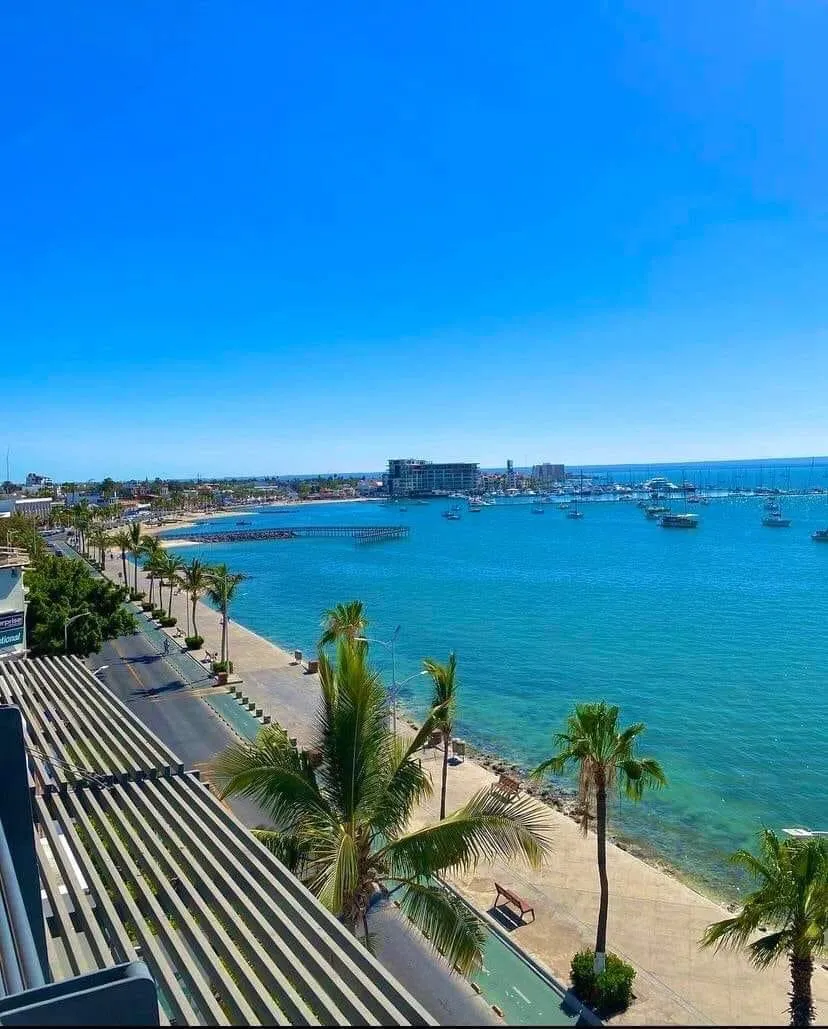
The malecón is the city’s shared living room. Early mornings belong to runners, cyclists and dog walkers. Later, cafés fill, errands begin and the waterfront settles into the working day. As the heat eases toward sunset, families return, children play, teenagers skate and the bay changes color behind the sculptures along the promenade.
Life near Centro can be social and walkable, with restaurants, coffee shops, the waterfront and everyday services close by. Farther from the center, life becomes more residential and car-dependent. In places such as El Centenario, larger lots and more space may come with longer drives and fewer services within walking distance.
The outdoors is not reserved for vacations. Residents kayak, sail, fish, dive, cycle, hike and make regular trips to beaches such as Balandra and Tecolote. Access to the water is one of La Paz’s great advantages, but local life is not one permanent beach day. People still work, maintain homes, pay utility bills and adapt their schedules to the summer heat.
What People Often Appreciate
A real city rather than a purpose-built resort
The malecón and bay as part of everyday life
Easy access to beaches and marine recreation
Independent restaurants and a growing food scene
A slower social rhythm than many North American cities
The ability to choose between central, residential and more spacious outlying communities
What Requires Adjustment
Summer heat changes daily schedules and utility use
Some processes require patience and in-person follow-up
English is used in parts of the city, but Spanish improves daily life in day-to-day experiences
Infrastructure and service levels vary by neighborhood
Imported products and familiar foreign brands may cost more or be less consistently available
Visitors and seasonal residents experience a different La Paz from people living here year-round
A local perspective:
La Paz is at its best when you stop asking it to behave like somewhere else. Learn which errands require time, which fish is fresh, when the malecón becomes too hot for a midday walk and why people emerge again when the sun begins to drop. The city rewards curiosity more than comparison.
Housing in La Paz: What Are Your Main Options?
Housing in La Paz ranges from compact central condominiums to hillside homes, marina communities, gated developments and larger properties on the edges of the city. The right choice depends less on a universal “best neighborhood” and more on how you want an ordinary week to feel.
If you want to walk to restaurants and the malecón, central neighborhoods may be appealing, but parking, street noise, building age and outdoor space can become important trade-offs. If you want a newer home, additional space or a larger lot, you may look farther from Centro and accept more driving. Hillside properties can offer remarkable views while requiring closer attention to access, drainage, retaining structures and maintenance. Marina and condominium living can simplify some responsibilities but introduces association rules and recurring fees.
Common Housing Choices
Central condominiums
Useful for buyers who prioritize walkability, lower-maintenance living and proximity to the waterfront. Compare parking, elevator access, noise, rental rules, building management and association finances.
Detached city homes
These can provide more privacy and outdoor space while keeping supermarkets, healthcare and services within reasonable reach. Condition and documentation may vary widely between properties.
Hillside and view homes
The view may be the main attraction. Access, road conditions, slope, drainage, wind exposure and construction quality deserve equal attention.
Marina and gated communities
These may offer controlled access, shared amenities and a more managed environment. Review fees, rules, maintenance responsibilities and how the location fits your daily routine.
El Centenario and outlying areas
Buyers may find larger lots, additional space and a quieter setting. A car is usually more important, and services, roads and utilities should be evaluated property by property.
Should You Rent Before Buying?
Renting first can be a sensible choice if you have not experienced La Paz through different seasons or are uncertain about the neighborhood and lifestyle you want. A few months of ordinary life can teach you more than a week of property tours.
Renting is not mandatory, and the right approach depends on your timing, housing needs and confidence in the area. What matters is avoiding a purchase based entirely on the part of La Paz you experienced while on vacation.
Weather and Climate in La Paz: What Changes With the Seasons?
La Paz has a hot, dry desert climate shaped by the surrounding land and the Sea of Cortez. Sunshine is abundant, rainfall is limited and summer is not simply a warmer version of winter. It changes how people use their homes, plan errands, exercise, travel and manage electricity.
Winter and spring are generally the easiest seasons for newcomers to imagine living here. Days can be warm, evenings can feel cooler and outdoor life is comfortable for longer stretches. As summer develops, temperatures and humidity rise. Many residents shift walks, exercise and errands to the morning or evening and spend more of the afternoon indoors.
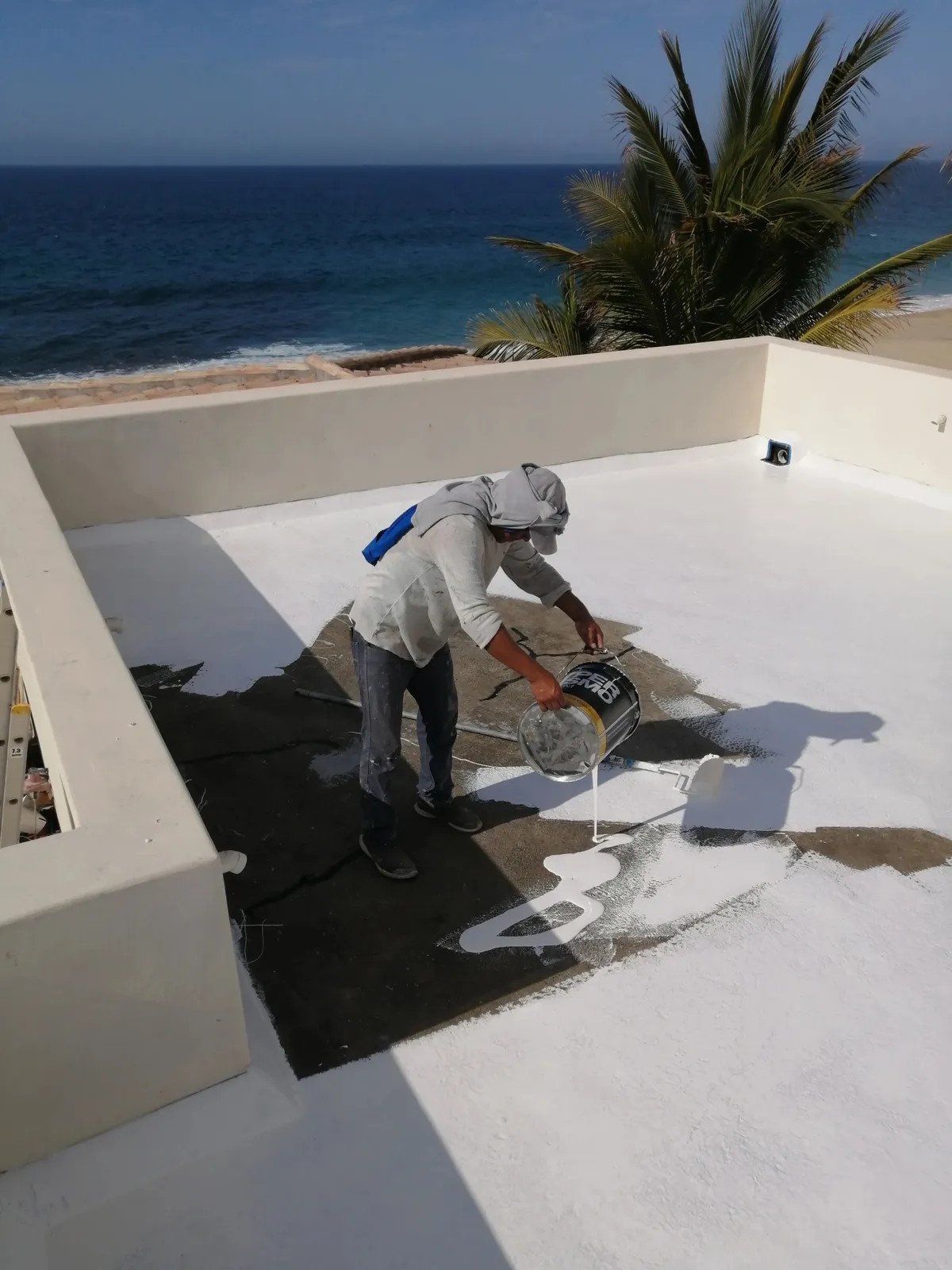
Rain is infrequent compared with many North American locations, but tropical weather can deliver a large amount in a short period. Drainage, roof condition, window seals, exterior finishes, landscaping and storm preparation therefore matter even in a dry climate.
How the Climate Affects a Home in La Paz
Air-conditioning efficiency can materially affect electricity costs
Direct sun increases heat gain and wears exterior materials
Flat roofs and waterproofing require routine attention
Water storage, pumps and pressure systems should be understood
Shade, window orientation and cross-ventilation can make a noticeable difference
Properties left vacant need a plan for ventilation, maintenance and storm preparation.
Did You Know?
In a desert city, drainage can be easy to underestimate. When rain does arrive, street and property conditions can change quickly. A home’s slope, roof drainage and surrounding access deserve attention even when the sky is clear during a showing.
What Does It Cost to Live in La Paz?
The cost of living in La Paz depends most heavily on housing, electricity, transportation, healthcare and how often a household chooses imported rather than local goods and services. Someone renting a central apartment, using limited air conditioning and shopping locally will have a different budget from someone maintaining a large home, driving frequently and recreating a North American lifestyle. A useful budget should be built around your choices, not a generic “expat average.”
Housing
Housing is usually the largest variable. Rent or ownership costs change according to neighborhood, view, proximity to the water, property condition, size, furnishings, amenities and the length or season of a rental agreement. Online examples can be useful, but they are not a substitute for reviewing current local inventory.
Electricity and Cooling
Electricity can vary dramatically between households. Property size, insulation, sun exposure, air-conditioning systems, solar equipment and personal comfort all matter. Ask for actual historical bills when evaluating a rental or purchase whenever those records are available.
Water, Gas, Internet and Household Services
These individual costs may be modest compared with housing, but the way the property operates matters. Understand municipal water schedules where relevant, storage tanks, pumps, propane arrangements, internet availability and who maintains pools, landscaping or shared areas.
Groceries and Dining
Local produce, seafood, tortillas and everyday Mexican products can support a reasonable household budget. Imported foods, specialty products and familiar foreign brands may cost more. Dining ranges from neighborhood taco stands and market counters to polished waterfront restaurants, so spending is largely a lifestyle choice.
Transportation
Living centrally may reduce daily driving, but a vehicle becomes useful for beaches, outlying neighborhoods and trips around Baja California Sur. Include fuel, insurance, maintenance and parking in the comparison—not only the purchase price of a car.
Healthcare
Healthcare costs depend on age, health, provider, insurance and the balance between public and private care. Do not rely on a single online estimate. Discuss coverage and anticipated needs with qualified providers before relocating.
Build your own La Paz budget
Start with housing. Add realistic summer electricity, transportation, healthcare, insurance, internet, property maintenance, dining and travel. Then include a reserve for the things that do not fit neatly into a monthly spreadsheet. A budget based on your actual habits is more useful than someone else’s cost-of-living total.
Getting Around La Paz: Do You Need a Car?
You can live without a car in parts of central La Paz if your home, work, shopping and social life are concentrated near Centro and the malecón. A car becomes considerably more useful for major supermarkets, medical appointments, outlying neighborhoods, beaches and travel around Baja California Sur. Your transportation needs should be considered when choosing where to live—not after signing a lease or buying a home.
Walking and Cycling
The waterfront and parts of Centro are among the city’s most walkable areas. Conditions change block by block, and heat can make a short midday walk feel very different from the same route in the evening. Sidewalk consistency, shade, traffic and the distance to routine errands all matter.
The malecón includes space used for cycling and recreation, but cycling elsewhere in the city requires judgment about traffic, road conditions and time of day.
Driving
A car opens access to Balandra, Tecolote, El Centenario, El Mogote and communities beyond the city. It also makes larger shopping trips and daily life in less central neighborhoods easier. Before choosing a property, drive the route at the times you expect to use it and check parking, road conditions and seasonal access.
Taxis, App-Based Rides and Local Buses
Taxis and app-based transportation can cover many city trips. Local buses—often called camiones or collectivos serve established routes, although they may not provide the convenience or predictability newcomers expect. Try the options you intend to rely on before deciding that a car is unnecessary.
Airport and Ferry Connections
La Paz has its own international airport with scheduled airline service. Route availability changes, so confirm current flights directly with the airport or airline when planning travel.
Passenger and vehicle ferry service connects the La Paz area with Mazatlán and Topolobampo on mainland Mexico. Schedules, crossing times and requirements should be confirmed with the ferry operator before travel.
Reaching Balandra and the Beaches
Balandra is outside the central city. The municipal tourism office identifies both private-vehicle and bus access, and visitor capacity can be limited. Go with a plan, check current access information and bring what you need rather than assuming full services will be available at the beach.
Healthcare, Shopping and Everyday Services
La Paz is a functioning state capital, not an isolated beach community. Residents have access to hospitals, private clinics, laboratories, pharmacies, supermarkets, banks, government offices, schools, universities and the ordinary services of city life.
That does not mean every service operates exactly as it would in the United States or Canada. Provider networks, insurance acceptance, appointment systems, language and payment expectations can vary. Before relocating, identify the providers and level of care relevant to your own needs rather than relying on a general claim that healthcare is “good” or “inexpensive.”
Healthcare Planning
Identify appropriate primary, specialist and emergency options
Confirm how your insurance works in Mexico
Ask whether a provider requires payment at the time of service
Keep essential medical information and prescriptions organized
Understand where you would go for needs beyond the services available locally
Shopping and Deliveries
La Paz offers major supermarkets, local markets, small neighborhood stores and specialty retailers. Selection varies, and certain imported products may be inconsistent or more expensive. Many residents settle into a mix: local shopping for everyday needs and occasional larger or specialty purchases elsewhere or online.
Internet and Working Remotely
Internet quality depends on the provider, neighborhood and specific property. Do not assume that service advertised for the city is available at a particular address. If reliable connectivity is essential, verify the installed service, test it and ask about backup options before committing to a home.
Your First 30 Days in La Paz
The goal of your first month is not to solve every part of Mexican life. It is to establish a practical base, learn your surroundings and avoid making permanent decisions before you understand the city.
Step 1: Star with flexible accommodation
If possible, begin somewhere that gives you time to explore. A short-term or flexible arrangement can reduce pressure while you compare neighborhoods and daily travel patterns.
Step 2: Learn the routes you will actually use
Travel between the places that matter to you: groceries, healthcare, the malecón, work, beaches, friends and potential neighborhoods. Do this at different times of day.
Step 3: Set up communication and connectivity
Arrange a dependable local phone and internet plan. If you work remotely or manage business abroad, test reliability rather than relying only on advertised speeds.
Step 4: Identify healthcare options
Know where you would go for routine care, prescriptions and an emergency. Confirm insurance and payment procedures relevant to your situation.
Step 5: Build a local service list
Collect trusted contacts for transportation, maintenance, cleaning, property management, insurance and other needs. Recommendations are useful, but confirm scope, price and availability yourself.
Step 6: Experience ordinary life
Buy groceries, pay a bill, make an appointment, navigate traffic and spend time away from the visitor areas. Relocation decisions become clearer when the city is no longer performing for your vacation.
Step 7: Compare renting and buying without pressure
Once you understand your preferred area and routine, compare the practical and financial implications of renting and buying. There is no prize for making the decision early.
Land softly first. Decide second.
The most useful early goal is not to recreate your old life immediately. It is to learn how La Paz works well enough to build a life that fits the place and fits you.
Is La Paz Right for You?
La Paz is deeply appealing, but the honest answer is not "yes" for everyone. A good relocation decision includes the reasons you may love the city and the conditions that may eventually wear on you.
La Paz may fit you well if you value:
A coastal lifestyle within a real Mexican city
Access to the Sea of Cortez and outdoor recreation
Independent restaurants and local culture
A slower pace without complete isolation
A range of central, residential and outlying housing choices
Learning basic Spanish and adapting to how Mexico works
Being part of the community rather than living only inside an expat bubble
La Paz may be a harder fit if you require:
Mild weather throughout the entire year
Extensive nonstop international flight options
Highly uniform infrastructure in every neighborhood
Every process to work the same way as it does in the United States or Canada
Immediate access to every imported product or specialist service
A fully walkable lifestyle while living outside the central area
Resort-level polish as the default everyday environment
A local perspective:
None of these trade-offs is automatically positive or negative. They matter only in relation to the life you want. The best way to decide is to experience La Paz as a resident would, speak with people who live here and compare neighborhoods according to your actual routine.
Why "Land Softly"?
I came to La Paz in March 2020 because the pandemic was beginning and my elderly parents were in Mexico. I left a career in Miami, arrived without a long-term plan and eventually found myself building a life and a real estate business here.
That experience taught me that moving well is about more than finding a house. It is learning where you feel comfortable, understanding which conveniences matter to you, knowing when to ask for help and accepting that a new country will not reorganize itself around your expectations.
At Dream Baja Realty, “land softly” means giving yourself enough information and enough time to make sound decisions. We help clients understand neighborhoods, housing, property ownership and the practical realities surrounding a move. When a question belongs with an immigration, legal, tax, healthcare or financial professional, we say so and help the client identify the right next conversation.
La Paz does not need to be oversold. It is more useful to understand it honestly.
- Ian Wilson, Broker/Owner | Dream Baja Realty
Dream Baja Realty is
based in La Paz

Dream Baja Realty is
a licensed BCS brokerage

Dream Baja Realty is a brokerage member of AMPI
Dream Baja Realty is
a member of BCS MLS
Dream Baja Realty specializes in assisting international buyers and relocation clients









Frequently Asked Questions About Living in La Paz
Is La Paz a good place to live?
For many people, yes. La Paz combines coastal access, the services of a state capital and a pace that feels different from a resort destination. It is best suited to people comfortable with summer heat, cultural adjustment and learning how local systems work. Visit through ordinary routines - not only vacation activities - before deciding.
How Dream Baja Realty helps: We help clients compare the lifestyle and housing implications of different areas so the relocation decision begins with daily life, not merely a property search.
Is La Paz a good place to retire?
La Paz can appeal to retirees who value the waterfront, outdoor recreation, local restaurants and access to city services. Suitability depends on healthcare needs, transportation, budget, desired climate and distance from family. Evaluate those factors personally rather than relying on a general retirement ranking.
How Dream Baja Realty helps: We help you connect housing and neighborhood choices to the way to expect to spend your time in retirement.
How expensive is it to live in La Paz?
There is no single reliable monthly figure. Housing, air-conditioning, transportation, healthcare and imported goods create the largest differences between households. Build a budget around the home, neighborhood and lifestyle you are considering, and date every price estimate because costs and exchange rates change.
How Dream Baja Realty helps: We provide current housing context and help identify property-related expenses to consider, with the goal being to find you the perfect living situation, not just the perfect house.
Can I live in La Paz without speaking Spanish?
It is possible to manage many interactions in English, particularly in parts of the real estate, tourism and service sectors. Daily life becomes easier and more rewarding with Spanish. Even basic conversational ability improves errands, relationships, problem-solving and your connection to the wider community.
How Dream Baja Realty helps: We explain unfamiliar real estate terms clearly and help clients understand when translation or bilingual professional support is appropriate. Dream Baja Realty has a bilingual team including locals, Americans and Canadians.
What is summer like in La Paz?
Summer is hot and can be humid. Residents often move exercise and errands to the morning or evening and rely more heavily on air conditioning. The season also highlights the importance of shade, insulation, efficient cooling, property maintenance and storm preparation.
How Dream Baja Realty helps: We encourage buyers and renters to evaluate how a home performs in the climate, including sun exposure, cooling systems and seasonal maintenance needs.
Do I need a car in La Paz?
Not necessarily if you live centrally and organize most of your life near Centro and the malecón. A car becomes more useful for major shopping, medical visits, outlying neighborhoods, beaches and regional travel. Test the routine you expect before choosing a neighborhood based on walkability.
How Dream Baja Realty helps: We compare properties in the context of everyday routes, parking, access and transportation—not only the home itself.
Should I rent before buying?
Renting first can be useful if you have not lived in La Paz through different seasons or are undecided about your preferred area. It is not a requirement. Buyers with strong local knowledge and clear priorities may be comfortable proceeding sooner. The decision should reflect your certainty, timeline and available options.
How Dream Baja Realty helps: We help clients clarify lifestyle and neighborhood priorities before turning the conversation into a property search.
Which La Paz neighborhood is best?
There is no universal best neighborhood. Centro may suit someone prioritizing walkability; a hillside may suit someone prioritizing views; El Centenario may suit someone wanting more space. Budget, travel patterns, road access, services, noise, property type and maintenance preferences all affect the answer.
How Dream Baja Realty helps: We compare the trade-offs and show clients how different areas function, then help them narrow the search according to the life they want.
Is healthcare available in La Paz?
La Paz has hospitals, clinics, laboratories, pharmacies and private practitioners. Whether those resources meet your needs depends on your health, insurance, preferred provider and need for specialist care. Confirm your own care and payment plan before relocating.
How Dream Baja Realty helps: We provide relocation context and local orientation, but healthcare and insurance advice must come from qualified providers and insurers.
How should I begin planning a move to La Paz?
Begin with a realistic visit, a preliminary budget and a list of your non-negotiable needs. Compare neighborhoods, transportation, healthcare, climate and housing before deciding whether to rent or buy. Keep national immigration and legal planning separate from the property search, even though the timelines may interact.
How Dream Baja Realty helps: We help organize the La Paz and housing side of the decision and identify when another qualified professional should become involved.
Get the Free Mexico Relocation Kit
Moving to La Paz begins with local questions, but it also involves national topics such as residency, healthcare, banking, transportation, belongings and the decision to rent or buy.
The Dream Baja Realty relocation resources are designed to help you organize those questions, understand which decisions come first and identify where professional guidance may be required.
What's Included in Your Mexico Relocation Kit?
Everything you need to start planning your move to Mexico with confidence! Your FREE kit includes three comprehensive digital guides designed to take the guesswork out of buying property, relocating, and discovering your new life in paradise.
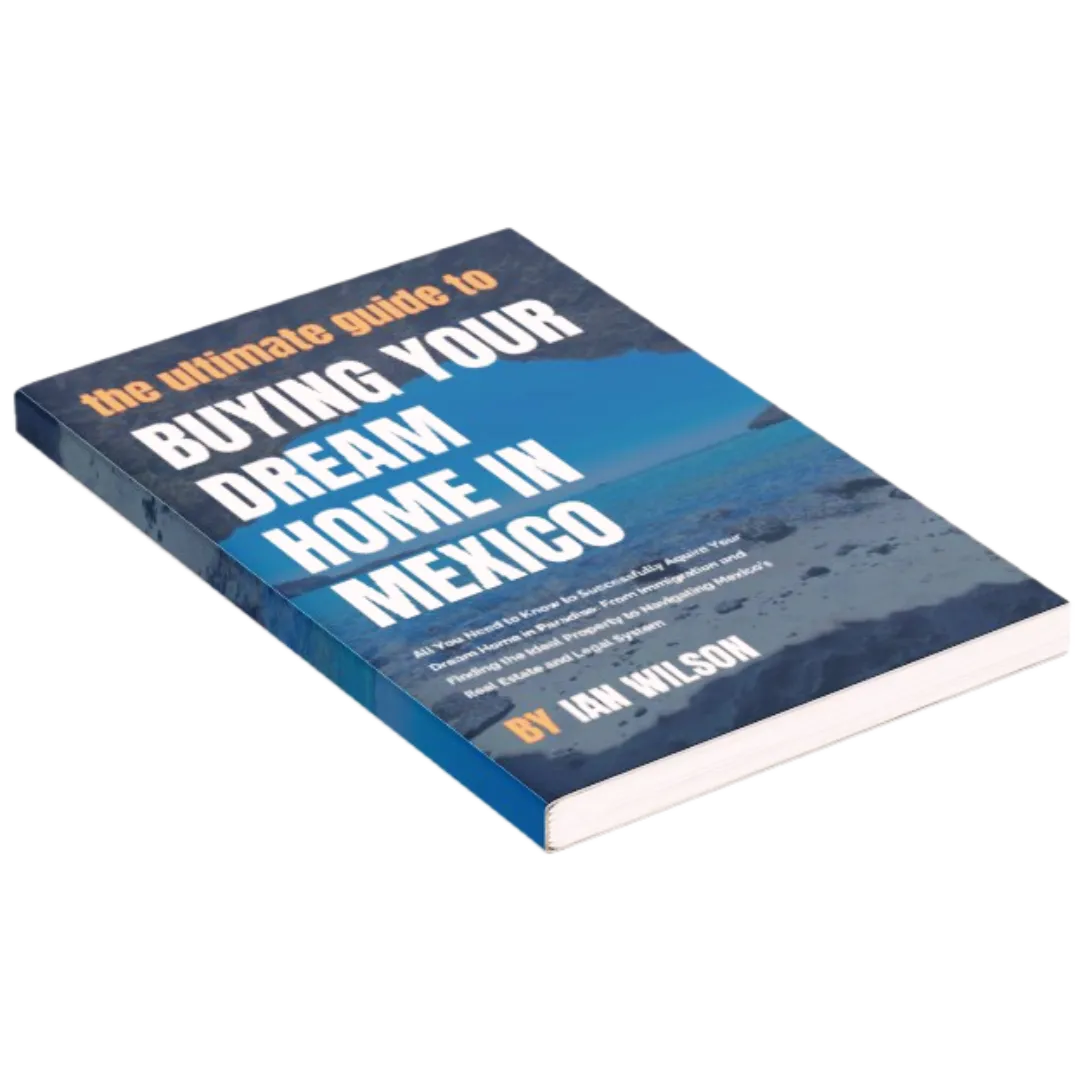
The Ultimate Guide to Buying Your Dream Home in Mexico
Your step-by-step roadmap to owning property in Mexico.
Get the digital edition of this Amazon-selling guide that walks you through the entire Mexican real estate buying process. From understanding foreign ownership and fideicomisos to navigating contracts, closing costs, and legal requirements, you'll discover how straightforward buying your dream home in Mexico can be.
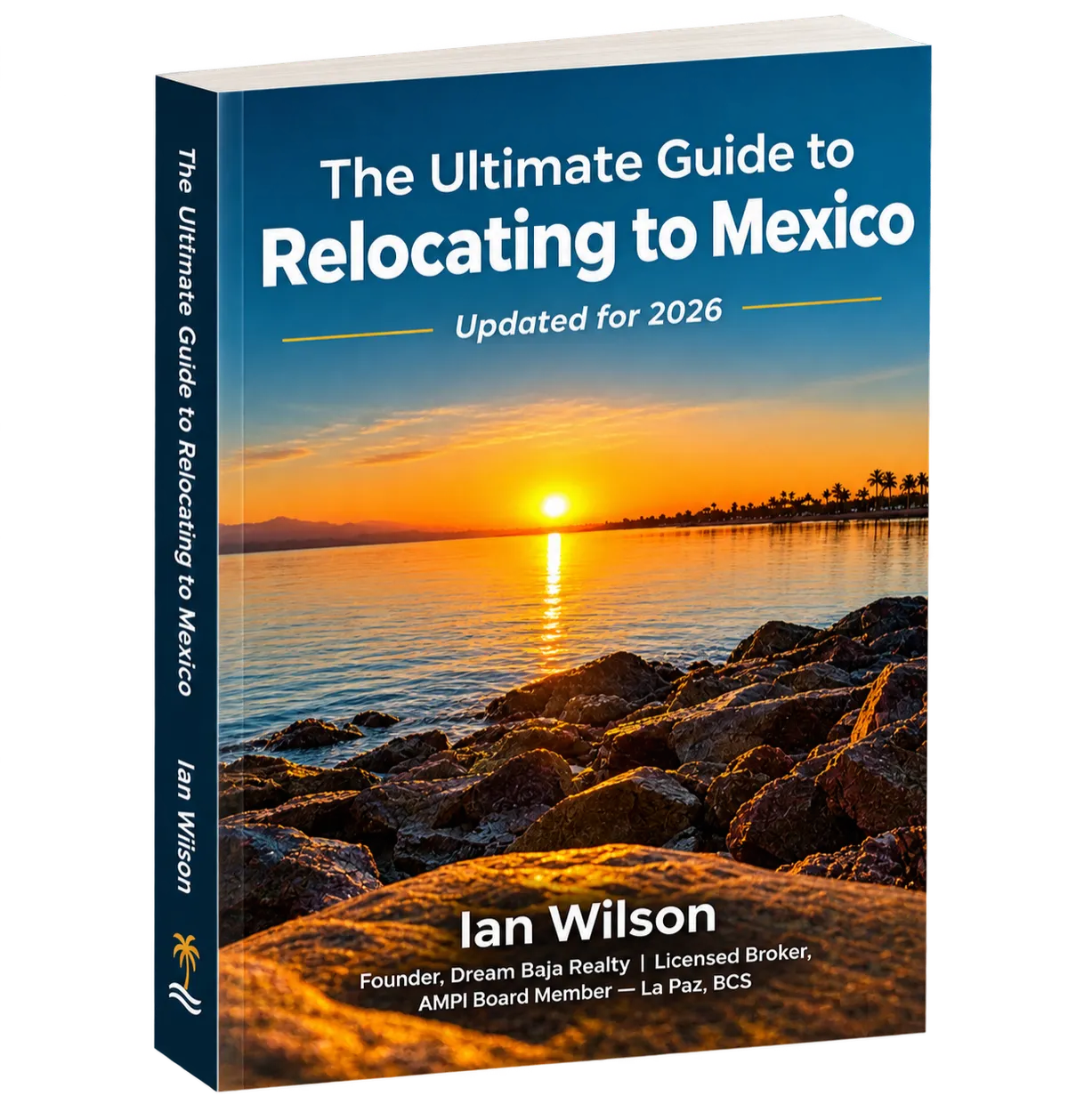
The Ultimate Guide to Relocating to Mexico: 2026 Edition
Everything you need to know before making the move.
Thinking about making Mexico your new home? This comprehensive digital version of Ian Wilson's Amazon-selling book covers the essentials of relocating, including residency options, immigration procedures, practical considerations, and what to expect when transitioning to life south of the border. Whether you're planning retirement or a fresh start, you'll have the information you need to move forward confidently.
La Paz: The Pearl of Baja
Discover why more Americans and Canadians are calling La Paz home.
Explore one of Mexico's most appealing coastal destinations. Discover La Paz's spectacular beaches, welcoming community, attractive cost of living, and exceptional quality of life. Unlike traditional resort towns, La Paz is a vibrant, authentic Mexican city where everyday life feels like a vacation—without sacrificing the comforts of home.

Your Next Chapter Starts Here.
Three valuable digital guides. One incredible destination. Completely FREE.
Whether you're just exploring the idea or ready to make your move, you Mexico Relocation Kit is the perfect place to start.

Still Deciding Whether La Paz Fits Your Life?
You do not need to be ready to move or buy a home to begin the conversation.
Tell us what you are considering, what you are uncertain about and how you imagine living in La Paz. We can help you compare neighborhoods, housing choices and the practical trade-offs that shape daily life here. If your questions belong with another qualified professional, we will tell you that clearly.
The purpose of the first conversation is not to push you toward a property. It is to help you understand your next sensible step.
No pressure and no obligation - just a practical conversation about where you are in the process.
Dream Baja Realty
Calle Delfines 135
entre Mangle y Oceano Pacifico,
Col. Esperanza I, La Paz, 23090 Mexico
Limitation of Liability: Dream Baja Realty, is a real estate company that offers third party real estate, therefore all information published on this site, is deemed reliable but not guaranteed and should be verified with one of our advisers in order to confirm whether the advertised properties are subject to lease, sale, change or withdrawal. Dream Baja Realty will not be responsible for any typographical errors, misinformation, misprints and in no case be considered as misleading advertising or bad faith. Dream Baja Realty is a proud member of MLS BCS. Please enjoy this website advertising all brokerage members MLS listings for public review.
The offered price is in DOLLARS (US Currency) and in accordance with article 8 of the monetary law, the final price for recordation purposes will be converted into PESOS resulting from the official exchange rate on the date payment is due. Prices shown in DOLLARS can be converted into PESOS by accessing the following link and performing the corresponding arithmetic multiplication per the current exchange rate. https://www.banxico.org.mx/tipcamb/main.do?page=tip&idioma=en