Why We Opened Dream Baja Realty
Why We Opened Dream Baja Realty
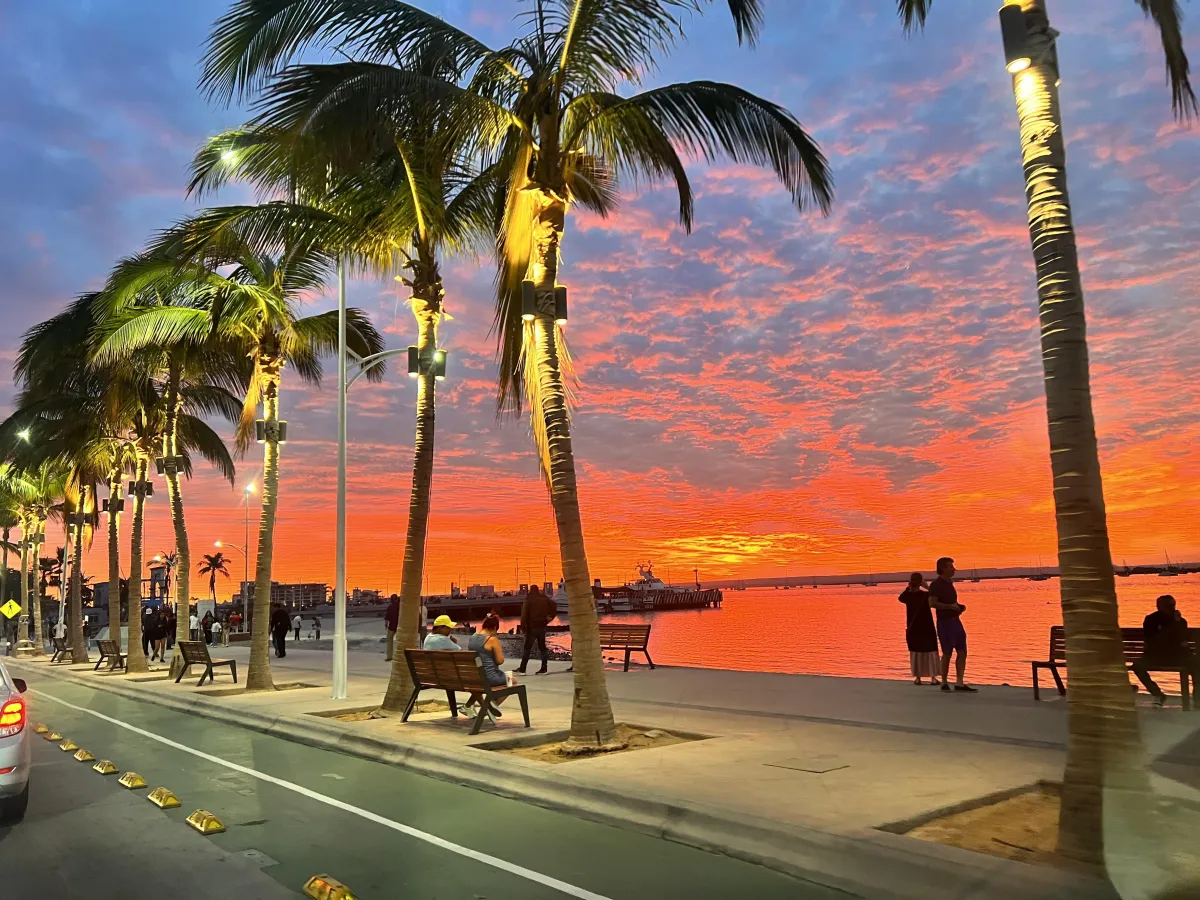
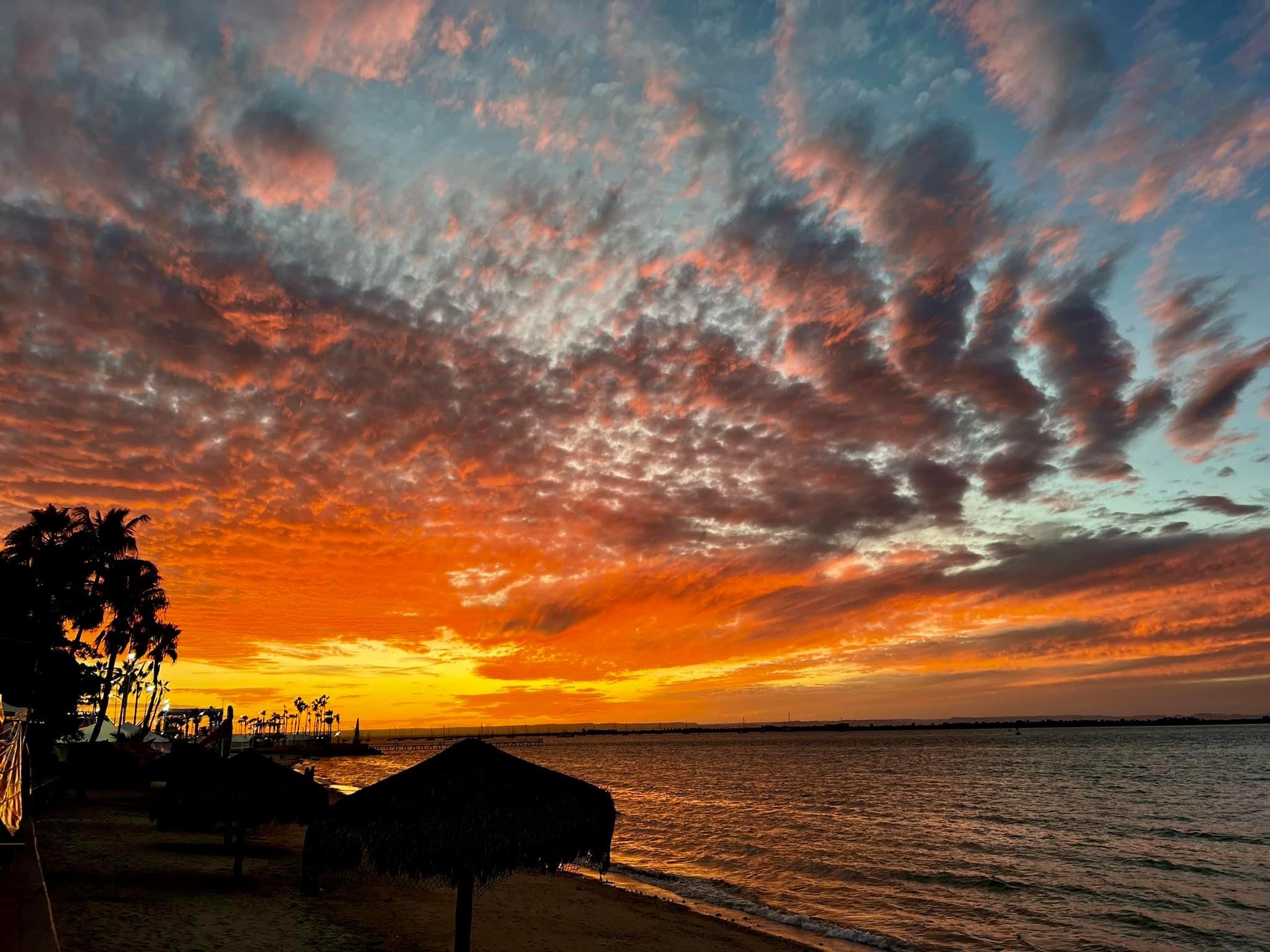
I want to tell you about a conversation I had on a Tuesday afternoon about three years ago, sitting in a palapa bar just off the Malecón in La Paz, with a cold beer sweating onto the table and the Sea of Cortez doing what it does at that hour — turning colors that don't have proper names. The couple across from me — I'll call them Robert and Diane — had driven down from Arizona. They'd been coming to La Paz for years as tourists. They'd fallen in love with it the way people do, slowly and then completely. They had a budget. They had a timeline. They were ready to buy.
And they had just been through five months of what I can only describe as a real estate nightmare.
They'd worked with three different agents. The first one had no formal training, no licensing, and no apparent understanding of the legal restrictions that apply to foreign buyers in Mexico's restricted zone. He'd shown them properties with title problems he either didn't know about or didn't disclose. The second had been charming and well-intentioned but operated entirely outside the professional standards bodies that give buyers any meaningful recourse when things go wrong. The third had simply disappeared mid-transaction. Not slow to respond. Disappeared. Their deposit — a significant sum — was tied up in a situation that their US attorney was still trying to unravel.
They weren't asking me to fix it. By the time we met, they'd already accepted that the money was probably gone. They were just telling the story, the way you tell a story when you've finally reached the other side of something terrible and you need to say it out loud to make it real.
I drove home that evening thinking about that conversation for a long time. Not because it was unusual. That's the part that haunted me. It wasn't unusual at all.
Why Unlicensed Real Estate Agents in Mexico Are a Genuine Problem
I'd been living in Baja California Sur for several years by then. I'd seen versions of that story play out more times than I wanted to count. I'd watched good people — intelligent, careful, financially responsible people who had done their research and asked their questions — get hurt by a real estate market that had almost no meaningful protection for foreign buyers. And the reason was simple: in Mexico, unlike in the United States and Canada, there is no mandatory licensing requirement for real estate agents. Anyone can hang a sign, print a business card, and start selling property tomorrow. No exam. No training. No accountability to a professional body. No fiduciary standard. Just a business card and a phone.
In a market like Baja California Sur — where many buyers are foreign nationals navigating a legal framework that is genuinely different from anything they've encountered at home, in a language that may not be their first, in a country where they have limited local knowledge and even more limited legal recourse if something goes wrong — that gap is not a minor inconvenience. It is a serious and ongoing danger to buyers.
I want to be careful here not to paint every agent operating in Mexico as dishonest. Most of the people I've encountered in this industry are not bad people. Many of them are genuinely trying to serve their clients well. But good intentions and goodwill are not substitutes for formal training, professional accountability, and a legally recognized standard of practice. A surgeon who means well but has no medical degree is still a danger to their patients. The same principle applies here. And it’s such an easy problem to avoid - there are many amazing agents here that are licensed agents and are members of AMPI.
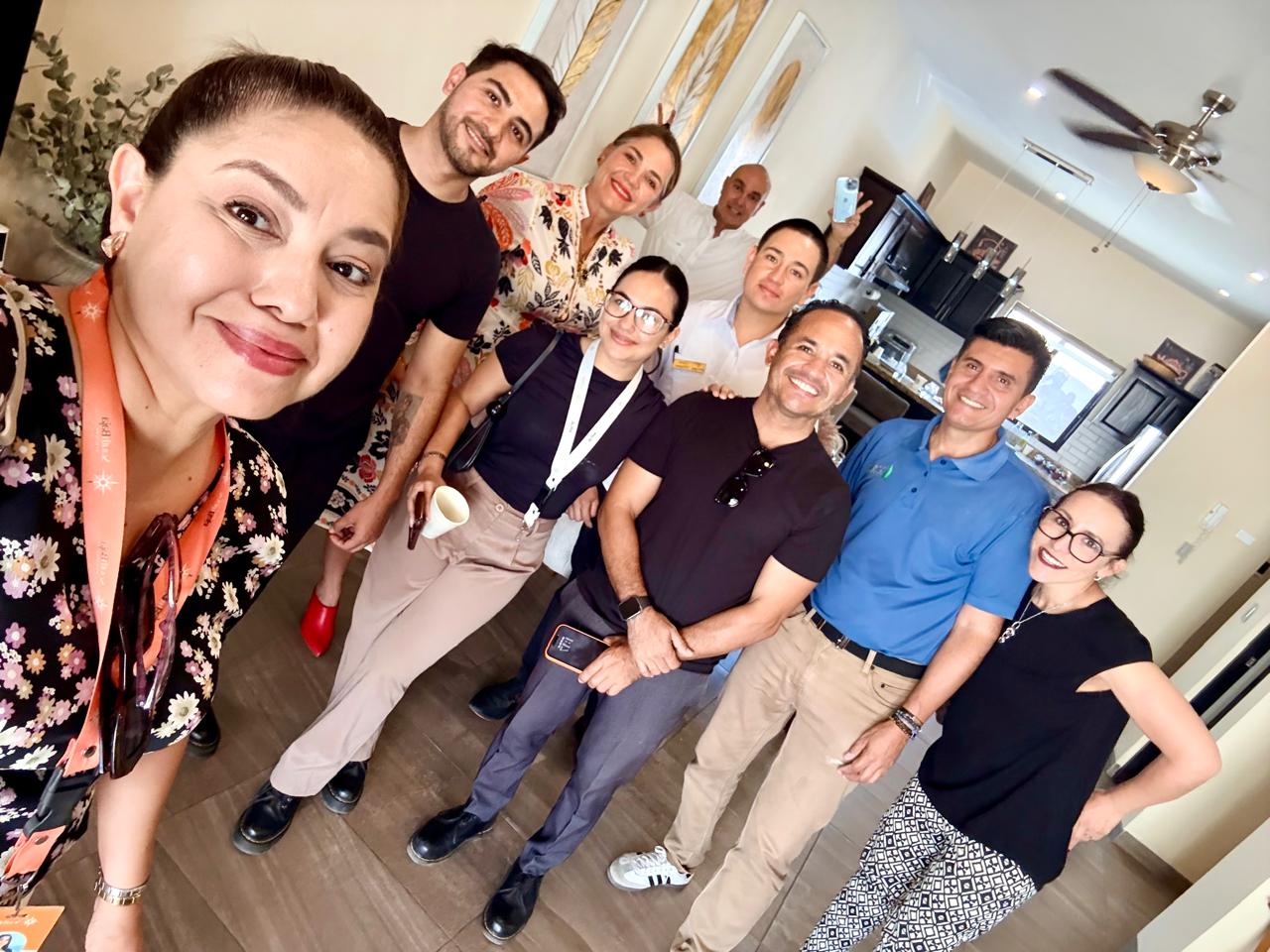
(Some of the exceptional La Paz brokers and agents #southbajarealty #bajabayrealty #braic)
What AMPI Membership Actually Means for Buyers
What I knew, and what Robert and Diane didn't know when they started their search, is that there is a professional standard in Mexican real estate. It exists. It's called AMPI — the Asociación Mexicana de Profesionales Inmobiliarios — and it is the recognized professional association for real estate agents in Mexico, roughly equivalent to the National Association of Realtors in the United States. AMPI membership requires formal training, adherence to a code of ethics, and ongoing professional education. Agents who hold AMPI membership have made a commitment to practicing at a professional standard. They are not infallible, but they are accountable in ways that non-members simply are not. (www.ampi.org.mx)
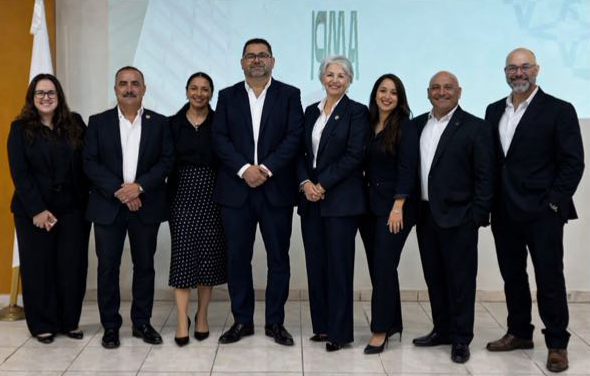
(AMPI La Paz Board of Directors - that's me on the far right)
Beyond AMPI, there is the question of formal licensing. In Baja California Sur, the state does have a licensing framework for real estate professionals — a framework that very few agents operating in the market, particularly North American agents, have actually navigated. I am one of a number of formally licensed real estate brokers operating under Mexican regulation in BCS. I sit on the AMPI Board of Directors for La Paz. I tell you this not to brag, because licensing is not an achievement to brag about — it's a baseline professional standard that should be the starting point, not the exception. I tell you this because when Robert and Diane were making one of the largest financial decisions of their lives in a foreign country, nobody told them to ask for these things. And if someone had, they would have found out very quickly that two of the three agents they worked with couldn't produce them.
That Tuesday evening, driving home along the waterfront with the lights of La Paz coming on across the water, was the moment I understood clearly that I had to build something different.
The Professional Standard We Built Dream Baja Realty Around
I had the credentials. I had the knowledge of the market. I had years of experience watching transactions succeed and fail and understanding precisely why they went one way or the other. What I didn't have was a brokerage — a proper, professionally structured business built explicitly around protecting buyers in the Baja real estate market. A business where the standard of practice wasn't aspirational but foundational. Where buyers could come with confidence that the person representing them had formal training, professional accountability, and genuine expertise in the legal framework governing foreign property ownership in Mexico.
I called Gord, my brother, as well as Chanel. Gord, unfortunately ended up returning to Canada where he’s happily living his life with his partner in life and Sade the wonder dog.
Chanel Graham is my co-founder and the other half of Dream Baja Realty, and I want to take a moment to say something about her that often gets lost in the way businesses describe themselves: she is not a co-founder in a nominal sense. She is, in the most substantive way possible, the reason this business works. Chanel brings a clarity of purpose to what we do that keeps us honest. She asks the questions that need to be asked. She holds the standard. When I explained what I wanted to build — why I wanted to build it, the Robert and Diane conversation, the pattern I kept seeing, the gap I kept thinking about — she didn't ask whether it was commercially viable. She asked when we were going to start.
We started with a very clear set of principles, and those principles haven't changed.
How We Work With American and Canadian Buyers in Baja California Sur
The first is that formal credentials are not negotiable. Every agent who works at Dream Baja Realty operates under a professional standard. We are members of AMPI. We are formally licensed under Mexican real estate regulation. We pursue ongoing education and professional development. These are not marketing points. They are the conditions under which we agreed to do business at all.
The second is that buyer education is not optional. One of the things that damages buyers most consistently in this market is the gap between what they think they know and what is actually true. The fideicomiso — the bank trust mechanism through which foreign nationals hold property in Mexico's restricted zone — is frequently misunderstood in ways that range from mildly incorrect to catastrophically wrong. The difference between ejido land and private title property is a distinction that can mean the difference between a sound purchase and an unenforceable one. The role of the notario in a Mexican real estate transaction is fundamentally different from the role of a notary in the United States or Canada, and buyers who don't understand that distinction can enter closing without understanding what they're actually signing. We believe that an educated buyer is a protected buyer, and we have built our entire client relationship model around making sure that by the time someone signs anything, they understand exactly what they're signing and why.
The third principle is that our job is to protect our clients, not to close transactions. This sounds obvious, and in a well-regulated market it would be. But in a market where agents are frequently compensated only at closing, where there's almost no fiduciary standard enforced by law, and where the pressures of the transaction favor speed over scrutiny, it's possible for the incentives to drift in a direction that doesn't serve the buyer. We have made a deliberate choice to structure our practice so that our clients' protection is always the primary objective, even when that means slowing down a transaction, raising a concern the seller doesn't want raised, or advising a client not to buy a particular property. We've lost sales by being honest. I don't lose sleep over that.
The fourth principle is that we represent Baja California Sur as honestly as we represent the properties within it. We love it here. I am not performing enthusiasm about La Paz and the surrounding region — it is genuine and it runs deep. But we don't oversell the life. We tell people about the rainy season. We tell people about the summer heat. We tell people that Internet connectivity has improved but is not identical to what they're used to. We tell people about the healthcare limitations and the distances involved. We tell people that adjusting to life in another country, in another language, within another culture, is genuinely challenging sometimes and that the adjustment curve is real even when the destination is beautiful. We do this because people who make decisions with complete information make better decisions, and buyers who arrive with realistic expectations become residents who are genuinely happy rather than buyers who feel misled.
Chanel and I are joined by Saidee, Kelvin, Kim, Angelica, Lynn, Chris E, and Chris S… agents who share these principles and who have brought their own expertise and their own relationships with this region and this community to what we do. We are not a large operation. We are a careful one. The size of our team is intentional — it allows us to maintain the standard of practice and the depth of client attention that motivated us to build this brokerage in the first place. Growth that compromises the standard of service is not growth we're interested in.
I think about Robert and Diane sometimes. I actually ran into Robert a while ago — just him, at a coffee place on Calle Madero. Diane had passed away in the meantime, which he told me quietly, and I didn't know what to say to that except that I was sorry. He told me that after everything that had happened with the failed purchase, they'd spent another year in Arizona deciding whether to try again. And they had. He owned a small house in a neighborhood on the south side of La Paz, and he'd been living there for two years, and he loved it. He told me the community had been important to him after Diane died. He told me the Malecón was where he went in the mornings.
I asked him how he'd finally found an agent he trusted. He said a friend in an expat Facebook group had told him to look for someone with AMPI credentials and a formal license. Someone who could actually prove, on paper, that they knew what they were doing.
I didn't mention that I'd been trying to build exactly that kind of brokerage for the past couple of years. I just thought about how different his story might have looked if he'd known to ask those questions the first time. And I thought about how many people right now, at this exact moment, are in the middle of a property search in Baja without knowing those questions exist.
That's ultimately why Dream Baja Realty exists. Not because the market needed another real estate agency. It didn't. It needed — it still needs — a professionally structured, buyer-protective alternative to the unregulated free-for-all that has cost too many people too much money and too much heartbreak.
Baja California Sur is genuinely one of the most beautiful places in North America. La Paz is a city that can change the shape of your life in the best possible way. This region deserves a real estate industry that matches the quality of the place — professional, honest, protective of the people who come here with their savings and their dreams and their trust.
Building that, one client and one transaction at a time, is the work we show up to do.
If you're at the beginning of your Baja property journey, we'd be glad to talk. No pitch. No pressure. Just a conversation with people who know this market, are licensed to operate within it, and are genuinely invested in making sure your experience of it is what it should be. You can find us at www.dreambajarealty.com
That's what we built this for. We're still building it.
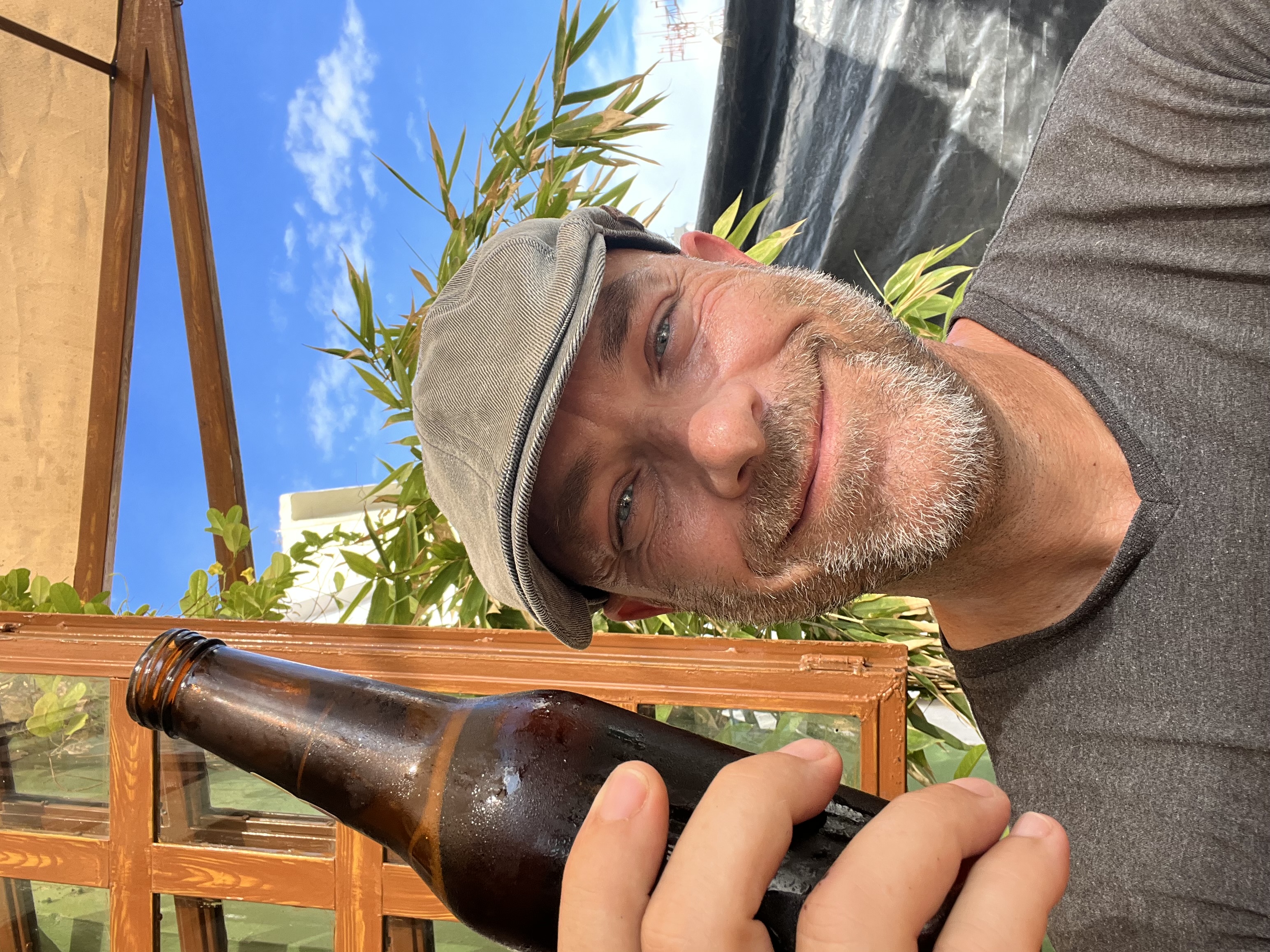
(I moved here. You can, too)
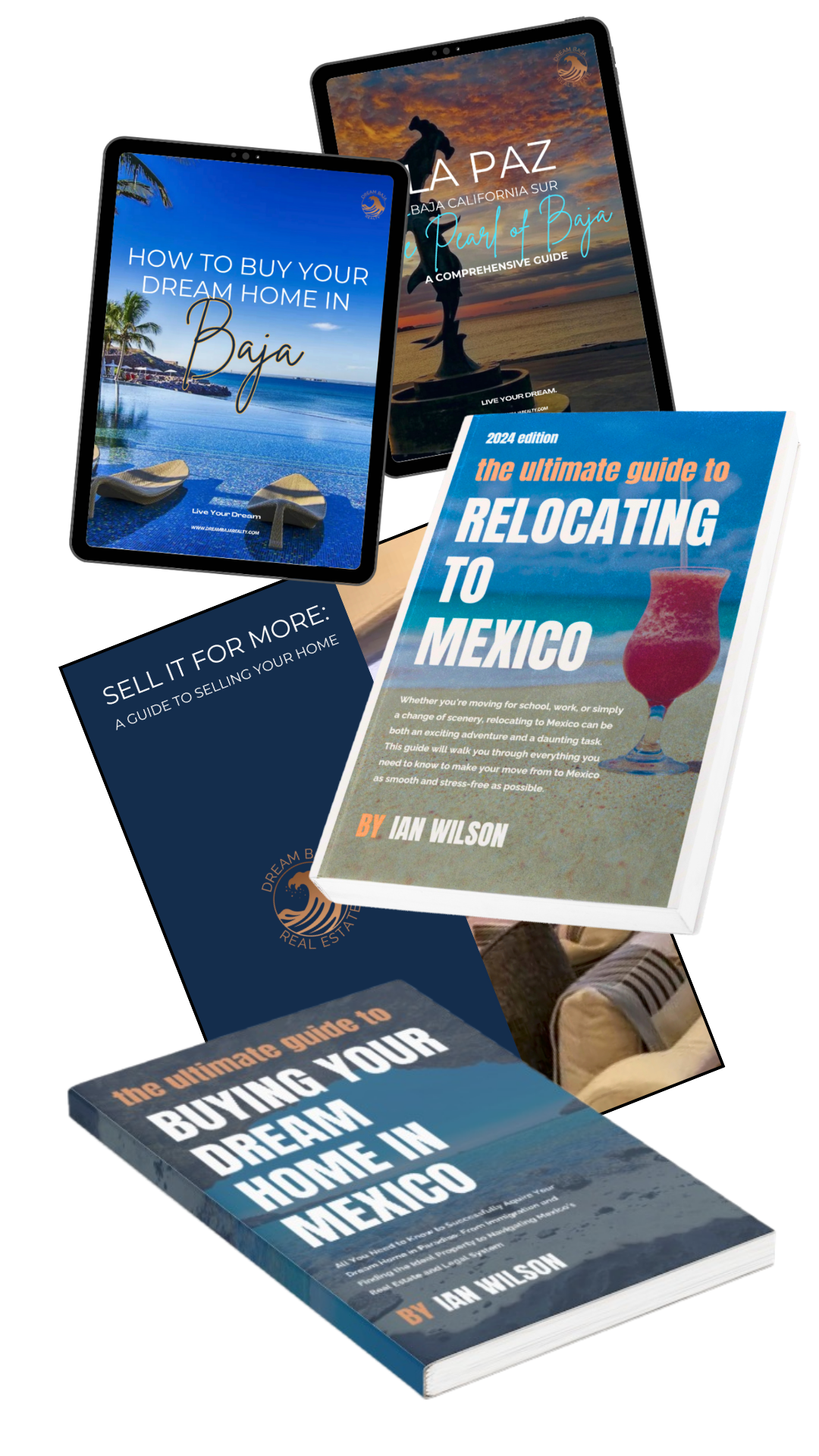
Feel free to check out any of our free resources designed to help make real estate and relocation to Mexico stress-free: Dream Baja Realty Resources.