Baja Home Inspection Checklist Guide for Buyers
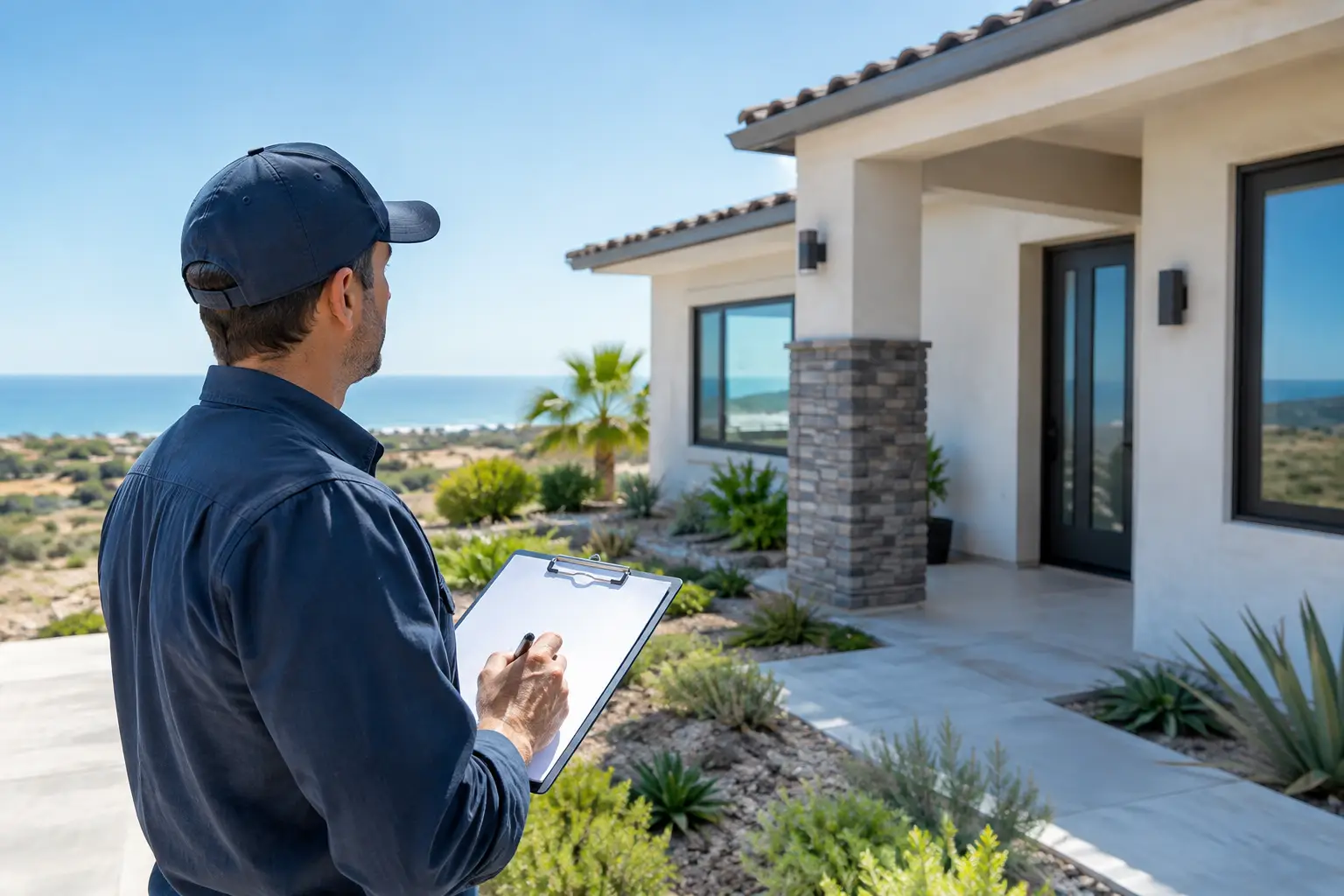
A sunset terrace, Sea of Cortez views, and a home that feels ready for the next chapter can make it easy to focus on possibility. A careful Baja home inspection checklist guide keeps the decision grounded in the details that protect that possibility: water, power, structure, drainage, permits, and the systems that make daily life comfortable in a desert-coastal climate.
In Baja California Sur, a property inspection is not a formality borrowed from a U.S. transaction. It is a practical investigation of how a home has been built, maintained, and adapted to its exact setting. A newer condo in La Paz, an ocean-view home near Todos Santos, and an off-grid property outside La Ventana can each require a very different level of scrutiny.
Start With the Right Inspection Team
Choose an independent inspector with experience evaluating homes in Baja California Sur, not simply a contractor who has seen the property before. The goal is a clear, written assessment of visible conditions, likely maintenance needs, and items that deserve specialist review. Ask for photographs, estimated urgency, and plain language that distinguishes a cosmetic issue from a material concern.
For higher-value homes, older properties, substantial renovations, or homes with solar and water systems, a general inspection may not be enough. It can be wise to bring in a structural engineer, electrician, plumber, pool technician, or solar professional when the initial findings justify it. The added cost is often modest compared with discovering a major repair after closing.
An inspection also has limits. It does not replace legal due diligence, title review, verification of the property’s legal status, or confirmation that construction and improvements match the applicable records. Those steps should move forward alongside the physical inspection, with guidance from qualified local professionals.
Baja Home Inspection Checklist Guide: The Big Priorities
Structure, roof, and exterior finishes
Baja’s intense sun, seasonal rains, wind, salt air, and occasional tropical storms can expose weak construction faster than a milder climate. Start at the exterior and look for settlement cracks, water staining, deteriorated stucco, loose exterior tile, exposed rebar, and signs of patchwork repairs. Fine surface cracks can be normal in stucco. Cracks that are wide, diagonal, recurring, or paired with sticking doors and uneven floors deserve closer evaluation.
Roof condition matters more than many buyers expect. Flat concrete roofs are common and can perform very well, but waterproofing systems require regular maintenance. Ask when the roof was last sealed, whether there have been leaks, and where water drains during a heavy rain. Inspect parapets, roof penetrations, scuppers, gutters, and areas around solar equipment or air-conditioning units.
Oceanfront and near-ocean homes deserve added attention for corrosion. Salt can affect railings, gates, exterior hardware, window frames, air-conditioning components, and exposed metal supports. This does not automatically make a property a poor choice. It does mean maintenance expectations should be realistic and reflected in your budget.
Water supply, storage, and plumbing
Water is one of the most important parts of any Baja property evaluation. Municipal service may be dependable in one neighborhood and less consistent in another. Many homes use a combination of city water, a cistern known locally as an aljibe, and a rooftop storage tank called a tinaco. Some properties supplement supply through water delivery.
Confirm the home’s water source, storage capacity, pump condition, filtration system, and backup plan. Turn on several fixtures at once, flush toilets, test hot water, and look beneath sinks for leaks or corrosion. Ask how long the property can operate if municipal service is interrupted and whether the owner has experienced low pressure or seasonal shortages.
If the home has a private well, request information on its legal status, pump equipment, water quality, and recent maintenance. For homes using a septic system, determine its age, capacity, service history, and location. A septic inspection is especially valuable when buying a rural, beach-area, or lower-density property.
Electrical service, backup power, and solar
Electrical systems should be evaluated for safety, capacity, and suitability for the way you intend to live in the home. Check the main panel, breakers, grounding, exposed wiring, outlet function, and signs of overheating. If you expect to run multiple mini-split air conditioners, a pool pump, electric appliances, or a home office, ask whether the service capacity supports that load.
Power reliability varies by area, so backup systems can add meaningful value. If the home includes solar, batteries, a generator, or surge protection, verify exactly what is included and how it performs. Request system specifications, installation records, warranties, monitoring access, and recent production data where available. A solar setup may look impressive, yet a battery bank nearing replacement can materially change the ownership cost.
Air conditioning, ventilation, and indoor comfort
In Baja, cooling is not merely a convenience. It influences energy use, rental appeal, and daily comfort for much of the year. Test every mini-split or central unit, listen for unusual noise, and ask about service dates. Look for leaking condensate lines, rusted exterior equipment, and signs that rooms are relying on undersized units.
Do not overlook ventilation. Bathrooms, kitchens, storage rooms, and enclosed utility spaces can develop moisture issues even in an arid region. Check ceilings, closets, window frames, and cabinet interiors for staining, odors, or mold-like growth. A home that has been closed for months may need extra investigation before you assume a problem is minor.
Windows, doors, drainage, and storm readiness
Open and close windows and doors throughout the property. Binding doors can be caused by ordinary wear, humidity, settling, or structural movement, so context matters. Pay close attention to seals, screens, locks, and the condition of sliding door tracks, particularly in coastal locations where sand and salt accelerate wear.
Walk the site after considering where rainwater would go. Confirm that patios, driveways, roofs, and landscaped areas direct water away from the house. Look for erosion, pooling, damaged retaining walls, and evidence of past water intrusion. If the property sits in an arroyo area, on a hillside, or near the beach, ask direct questions about storm history and access during heavy rainfall.
Inspect the Features That Shape Ownership Costs
A beautiful Baja home can include amenities that deserve their own review. Pools and spas should be inspected for surface condition, equipment age, leaks, pump operation, and filtration. Outdoor kitchens need working gas, water, drainage, and weather-resistant materials. Landscaping may depend on irrigation systems that are simple to repair or surprisingly expensive to restore.
If the property is part of a condominium or planned community, review what the homeowners association maintains versus what remains your responsibility. Clarify reserve funds, monthly dues, special assessments, pet rules, rental restrictions, parking, security, and responsibility for roofs, exterior walls, plumbing lines, and common infrastructure. A well-managed community can offer welcome simplicity, but the documents should support that impression.
For a home intended as a vacation rental, inspect with a guest’s experience in mind. Reliable internet, water storage, cooling, parking, safe stairs, exterior lighting, pool barriers, and durable finishes can have a direct effect on occupancy, reviews, and operating costs. Rental potential should be assessed conservatively, especially where local regulations, HOA policies, or seasonal demand affect income.
Questions to Ask Before You Remove Contingencies
Use the inspection period to collect answers, not just observations. Ask the seller for repair invoices, warranty information, utility bills, maintenance logs, pool and solar records, appliance ages, and details of any past leaks or storm damage. If work was completed recently, find out who performed it and whether permits or professional signoff were required.
It is also worth asking how the home functions when the owners are away. Who checks the property? How often is the pool serviced? Is the cistern monitored? Are air conditioners maintained before the summer season? A reliable property manager or maintenance team can be a meaningful advantage for second-home owners, but you should understand the costs and scope of service.
After receiving the report, separate findings into three groups: safety concerns, repairs needed before closing, and routine ownership maintenance. Not every issue should become a negotiation point. In many Baja transactions, a buyer may be better served by a fair adjustment or repair credit than by asking a seller to select contractors and complete work under time pressure. The right approach depends on the severity of the issue, the local vendor market, and your confidence in the proposed remedy.
Make the Inspection Serve Your Long-Term Plan
The best inspection process does more than identify defects. It gives you a first-year ownership plan: roof maintenance, water-system service, HVAC cleaning, corrosion prevention, pool care, and realistic reserves for upgrades. That clarity helps you buy with confidence rather than surprise.
Dream Baja Realty can help buyers coordinate a thoughtful inspection process while keeping the broader purchase strategy in view. The goal is not to find a flawless home - few properties offer that - but to understand the home you are choosing and make sure its condition supports the Baja life you want to live.