Research Is Respect: A Smarter, Slower Way to Move and Buy Abroad
For a moment there, I thought my favorite clients were the ones who arrived decisive.
They knew what they wanted. They were ready to buy. They moved quickly and confidently, and on paper that looked like momentum.
Over time, my work has begun to teach me otherwise.
The clients I’ve come to value most are the researchers.
They move slower, but they arrive better.

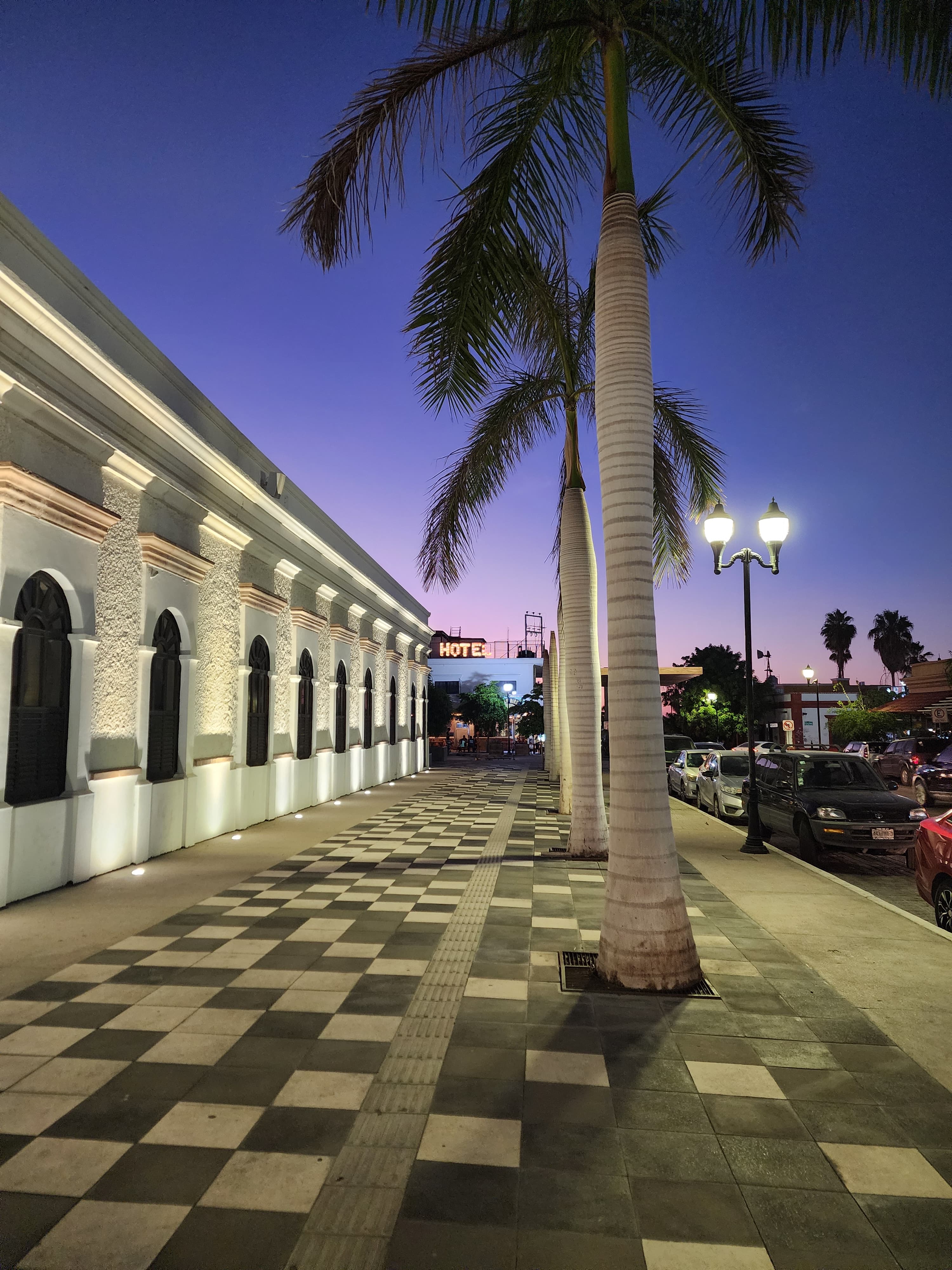
Walking Centro at different hours, listening to how the city actually lives.
They ask careful questions. They walk neighborhoods without an agenda. They sit with uncertainty longer than feels comfortable. They are not shopping for a lifestyle upgrade so much as trying to understand whether a place will support their real, everyday life once the novelty wears off.
If you’ve read my earlier writing, you might notice a shift here. Less romance. Less lifestyle shorthand. More attention to process, ethics, and restraint. That isn’t accidental. It’s a response to the people I’ve learned the most from.
Research-minded clients tend to arrive better. Read about my research journey
Not just financially or logistically, but relationally. They make decisions that hold up over time. They cause less friction. They adapt more easily. They leave lighter footprints. They are buying property responsibly.
This piece is written for them. And for anyone curious enough to become one.
Most people think respect looks like politeness.
It doesn’t.
In relocation, respect looks like time.
Time spent walking neighborhoods without an agenda. Time spent renting before buying. Time spent listening more than talking. Time spent noticing what you don’t yet understand.
Research is not hesitation. It is care, expressed quietly.
This idea sits at the center of Arriving Well.
How you move through the early stages of relocation shapes not just your outcome, but your impact. It's ethical relocation.
Speed Is Not Neutral
Urgency always benefits someone. It is just rarely the place you are moving into.
Fast decisions reward sellers, developers, and transaction timelines. They almost never reward neighborhoods, communities, or newcomers who plan to stay.
When people rush, they miss how sound carries at night, how water pressure changes with the season, which streets flood and which stay dry, where people actually gather versus where they are marketed to gather.
None of this shows up in listings.
All of it shows up in daily life.
I have a listing that is right next to an abandoned building, I've seen buyers balk, feeling uncertain about buying so close to what they presume houses vagrants or invites crime, but once you spend some time in La Paz, you start to see with different eyes. That building sits on valuable corner lot land, and soon will be sold and built upon, or even more often, that building may be where a neighbor grazes his horses, an invitation to make friends with the owner and find a diamond in the rough.
See diamonds
Slowness is not indecision. It is attentiveness.
Renting First Could Be an Ethical Choice
Renting is not a lack of confidence. It is an acknowledgment of context.
You do not yet know how your body will respond to the climate, how your routines will shift, what convenience really means here, or which compromises feel light and which ones quietly wear you down.
Renting buys information without locking in impact. Research rentals
It allows you to arrive as a learner instead of a buyer. That distinction matters more than most people expect.
Research Is a Form of Humility
Relocation often comes with invisible authority. Money. Mobility. Passports. Options.
Research is how you soften that edge. Research is Respect.
You ask before you assume. You observe before you optimize. You learn the difference between what looks good and what actually works.
Ethical arrival is not about purity or guilt. It is about adopting a beginner's mindset.
Are you arriving to extract, or are you arriving to understand and engage?
The Market Notices How You Move
Neighborhoods feel rushed buyers.
They feel it when someone shows up already decided. They feel it when expectations are imported whole. They feel it when questions are replaced by demands.
Research creates friction. Friction creates better outcomes.
For you. For the place. For the people already there.
Where Real Estate Actually Begins
Good agents do not create urgency. They create clarity.
They help you research without pressure. They normalize pauses instead of panic. They support waiting, maybe for a new build, while renting, walking, watching, and learning.
Because the best purchases happen after a buyer understands the rhythm of a place, not just the price.
If you are in research mode, you are not behind. You are early.
And if you want to explore homes as part of that research, it should feel safe to do so.
Looking at listings on my site is designed to be exactly that. No hassle research here
A way to study neighborhoods, notice patterns, compare prices, and get a feel for what exists without calls, scripts, or pressure attached.
Browse. Close the tab. Come back later. Nothing breaks. You are allowed to do real estate research before buying.
And if you are moving slowly, you are probably doing it right.
When questions start to form, that is when real estate actually begins.
That is when you can reach out to me as a translator between curiosity and commitment, or simply as a resource when you want one. See what's out there

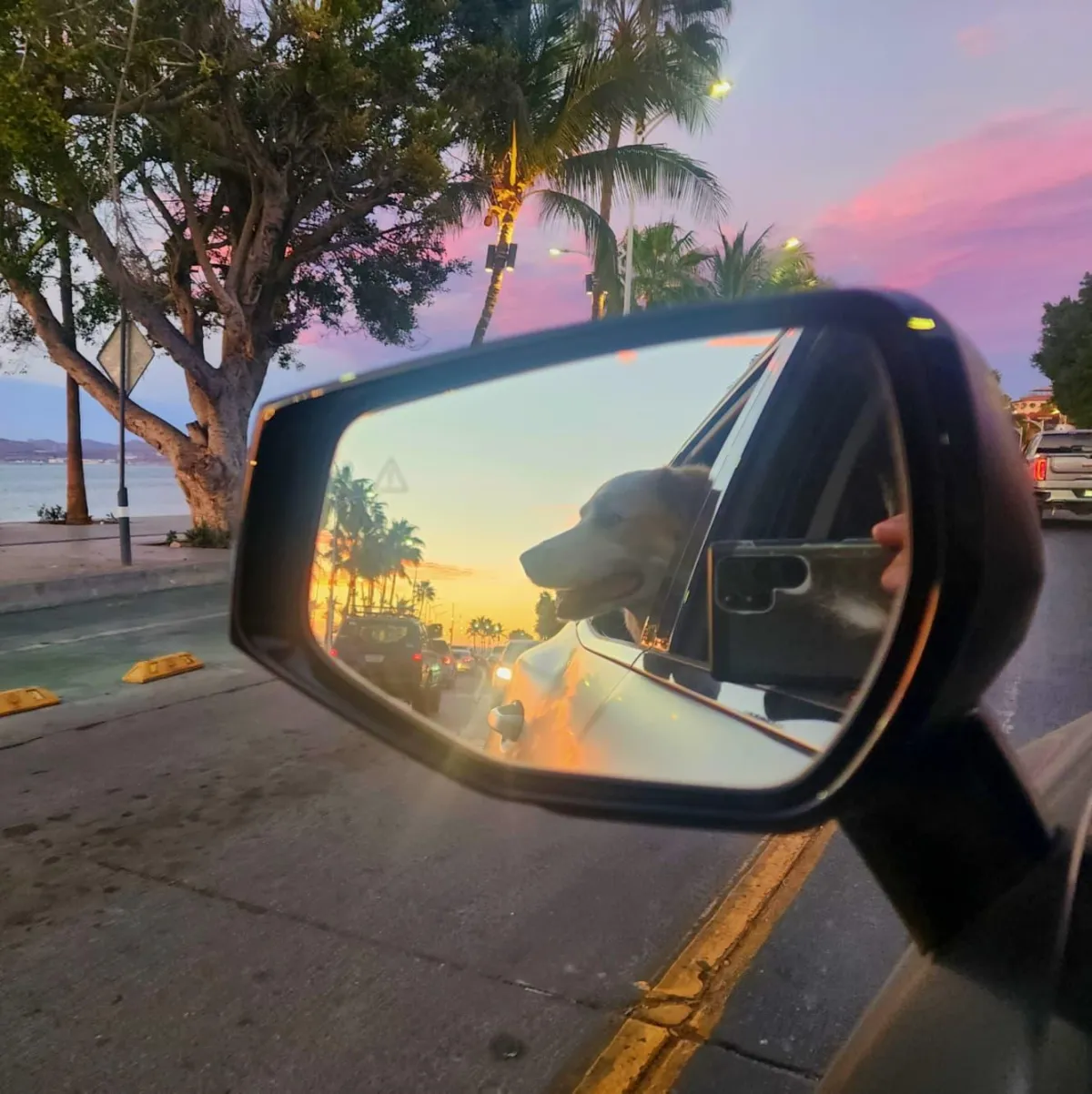
Walking La Paz, listening to life here at a number of different times of day and year.
They ask careful questions. They walk neighborhoods without an agenda. They sit with uncertainty longer than feels comfortable. They are not shopping for a lifestyle upgrade so much as trying to understand whether a place will support their real, everyday life once the novelty wears off.
If you’ve read my earlier writing, you might notice a shift here. Less romance. Less lifestyle shorthand. More attention to process, ethics, and restraint. That isn’t accidental. It’s a response to the people I’ve learned the most from.
Research-minded clients tend to arrive better. Not just financially or logistically, but relationally. They make decisions that hold up over time. They cause less friction. They adapt more easily. They leave lighter footprints. They are buying property responsibly.
This piece is written for them. And for anyone curious enough to become one.
Most people think respect looks like politeness.
It doesn’t.
In relocation, respect looks like time.
Time spent walking neighborhoods without an agenda. Time spent renting before buying. Time spent listening more than talking. Time spent noticing what you don’t yet understand.
Research is not hesitation. It is care, expressed quietly.
This idea sits at the center of Arriving Well. How you move through the early stages of relocation shapes not just your outcome, but your impact. It's Ethical Relocation. My Ethical Relocation Promise
Speed Is Not Neutral
Urgency always benefits someone. It is just rarely the place you are moving into.
Fast decisions reward sellers, developers, and transaction timelines. They almost never reward neighborhoods, communities, or newcomers who plan to stay.
When people rush, they miss how sound carries at night, how water pressure changes with the season, which streets flood and which stay dry, where people actually gather versus where they are marketed to gather.
None of this shows up in listings. All of it shows up in daily life.
Slowness is not indecision. It is attentiveness.
Renting First Could be an Ethical Choice
Renting is not a lack of confidence. It is an acknowledgment of context.
You do not yet know how your body will respond to the climate, how your routines will shift, what convenience really means here, or which compromises feel light and which ones quietly wear you down.
Renting buys information without locking in impact.
It allows you to arrive as a learner instead of a buyer. That distinction matters more than most people expect.
Research Is a Form of Humility and Ethical Relocation
Relocation often comes with invisible authority. Money. Mobility. Passports. Options.
Research is how you soften that edge. How you'll move abroad thoughtfully.
You ask before you assume. You observe before you optimize. You learn the difference between what looks good and what actually works.
Ethical arrival is not about purity or guilt. It is about adoption of a Beginner's Mindset.
Are you arriving to extract, or are you arriving to understand and engage?
The Market Notices How You Move
Neighborhoods feel rushed buyers.
They feel it when someone shows up already decided. They feel it when expectations are imported whole. They feel it when questions are replaced by demands.
Research creates friction. Friction creates better outcomes.
For you. For the place. For the people already there.
Where Real Estate Actually Begins
Good agents do not create urgency. They create clarity.
They help you research without pressure. They normalize pauses instead of panic. They support waiting, maybe for a new build, while renting, walking, watching, and waiting. They can work with you to build a relocation planning process.
Because the best purchases happen after a buyer understands the rhythm of a place, not just the price.
If you are in research mode, you are not behind. You are early.
And if you want to explore homes as part of that research, it should feel safe to do so.
Looking at listings on my site is designed to be exactly that. A way to study neighborhoods, notice patterns, compare prices, and get a feel for what exists without calls, scripts, or pressure attached. Browse. Close the tab. Come back later. Nothing breaks. You are allowed to do real estate research before buying with me.
And if you are moving slowly, you are probably doing it right.
When questions start to form, that is when real estate actually begins, and when you can reach out to me as a translator between curiosity and commitment, or simply as a resource, when you want one.
This article has a Part II